How Manned Guarding Can Benefit Your Business?

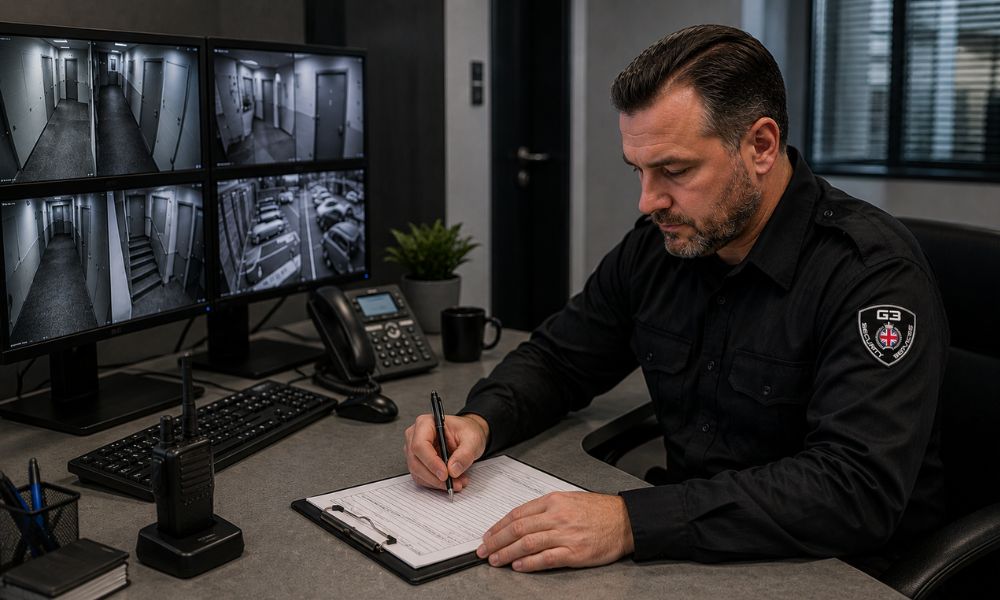
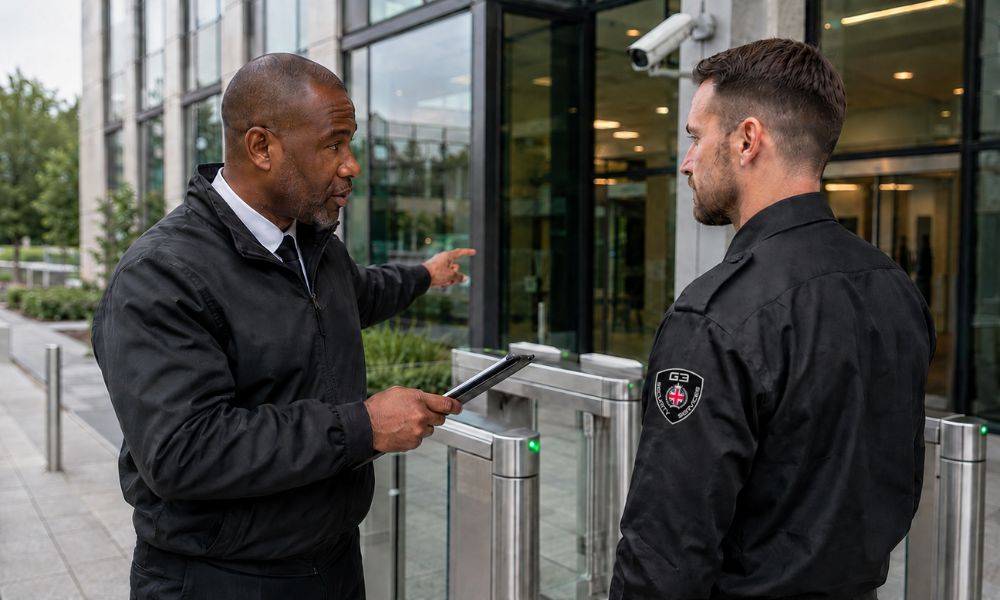
In an increasingly dynamic and interconnected business landscape, ensuring the safety and security of your assets, employees, and customers is paramount. This challenge has given rise to various security solutions, one of the most prominent being manned guarding services. It involves the deployment of trained security personnel to protect your business premises, assets, and personnel. This human-centric approach to security offers a range of benefits that go far beyond what technology alone can provide.  Today, when businesses face many security threats, from theft and vandalism to corporate espionage and cyberattacks, safeguarding your company’s assets and personnel is paramount. While technology has undoubtedly played an important role in enhancing security measures, there’s still a critical need for a human touch when protecting your business. Manned guarding, the practice of having trained security personnel on-site, has proven to be an invaluable asset for countless companies.  What is Manned Guarding?  Manned guarding security services, or security guarding or security personnel services, refers to having trained security personnel or guards physically present at a location to provide protection, surveillance, and various security-related services. Security companies or organisations typically employ these individuals to ensure the safety and security of people, property, and assets in a given area.  Tasks Performed by Manned Guards Manned guarding is employed in various settings, including commercial buildings, industrial facilities, construction sites, retail stores, residential communities, hospitals, events, etc. Manned guards’ specific responsibilities and training requirements may vary depending on the industry and the client’s security needs. Manned guards are responsible for a range of security tasks, which may include:  Access Control: Guards monitor and control access to a facility or premises, ensuring that only authorised individuals are allowed entry. They may check identification, verify credentials, and issue visitor passes. Patrolling: In man-guard security services, the guards often conduct regular patrols of the area they are assigned to protect. This may involve walking or driving around to deter potential threats and respond quickly to incidents.  Surveillance: They use surveillance equipment such as cameras and monitors to observe and record activities in and around the protected area. This helps in identifying and responding to security breaches or suspicious behaviour.  Emergency Response: Guards are trained to respond to various emergencies, including medical incidents, fires, accidents, and security breaches. They may provide first aid, initiate evacuations, or contact the appropriate authorities when necessary.  Conflict Resolution: In situations where conflicts or disputes arise, manned guard services are often responsible for diffusing tension and ensuring that the situation does not escalate into violence. They may also detain individuals involved in criminal activities until law enforcement arrives.  Customer Service: Depending on the setting, guards may also provide customer service, such as assisting visitors, answering questions, and providing directions.  Report Writing: Guards maintain detailed records of their activities, including incident reports, shift logs, and any irregularities they observe during their duties. These reports are essential for documenting security-related events.  Deterrence: The mere presence of manned guarding services can deter potential criminals or troublemakers, reducing the likelihood of security incidents.  How Can Manned Guards Benefit Your Business?  Manned guarding services play a critical role in maintaining the safety and security of people and property, providing a physical and human element to complement technological security measures like surveillance cameras and alarm systems. Enhanced Security: One of the most apparent advantages of manned guarding security services is the heightened level of security it provides. Trained security personnel can deter potential threats simply by their presence. Criminals are less likely to target a facility with visible security personnel, reducing the risk of theft, vandalism, or other criminal activities.  Quick Response to Emergencies: In Man guard services, the guards are trained to handle various emergencies, from medical incidents to fire outbreaks. Their presence ensures a rapid response to any unforeseen situation. Whether administering first aid or coordinating evacuations, their training and experience can make all the difference in minimising damage and protecting lives.  Personalised Security Solutions: Every business is unique, with its specific security needs and vulnerabilities. Manned guarding services allow for tailored security solutions. Security personnel can assess your premises, understand your operations, and implement a security plan addressing your concerns. This personalised approach ensures that your security measures are aligned with your business objectives.  Access Control: Manned guarding security services can help control access to your premises effectively. Security personnel can verify the identity of individuals entering your facility, ensuring that only authorised personnel gain entry. This helps prevent unauthorised access, reducing the risk of theft, corporate espionage, and other security breaches.  Customer Confidence: The presence of security personnel can also enhance your customers’ confidence in your business. Knowing that you prioritise their safety can make them feel more comfortable and secure when visiting your establishment. This can increase customer loyalty and positive word-of-mouth, benefiting your bottom line.  Employee Safety: Your employees are your most valuable asset. Manned guarding services not only protect your physical assets but also ensure the safety of your workforce. Knowing that their workplace is secure can boost employee morale and productivity.  Reduced Insurance Costs: Many insurance companies offer reduced premiums to businesses that employ manned guarding services. Having trained security personnel on-site can significantly reduce the risk of theft, vandalism, and other security-related incidents, making your business a lower insurance liability.  Prevention of Internal Threats: While external threats are a concern, internal threats, such as employee theft or sabotage, can be equally damaging. Manned guards can help deter and detect such threats, providing extra protection against insider risks.  Enhanced Crisis Management: In times of crisis, having experienced security personnel can be a game-changer. Manned guards can help manage the situation and ensure your business’s and its assets’ safety and security, whether it’s a natural disaster, civil unrest, or any other unexpected event.  Conclusion Manned guarding security services provided by a reputable security company remain crucial in safeguarding your business in an ever-evolving world where security threats continue to evolve. The benefits of having trained security personnel on-site are numerous, from enhancing physical security to providing

8 Ways to Improve Commercial Building Security

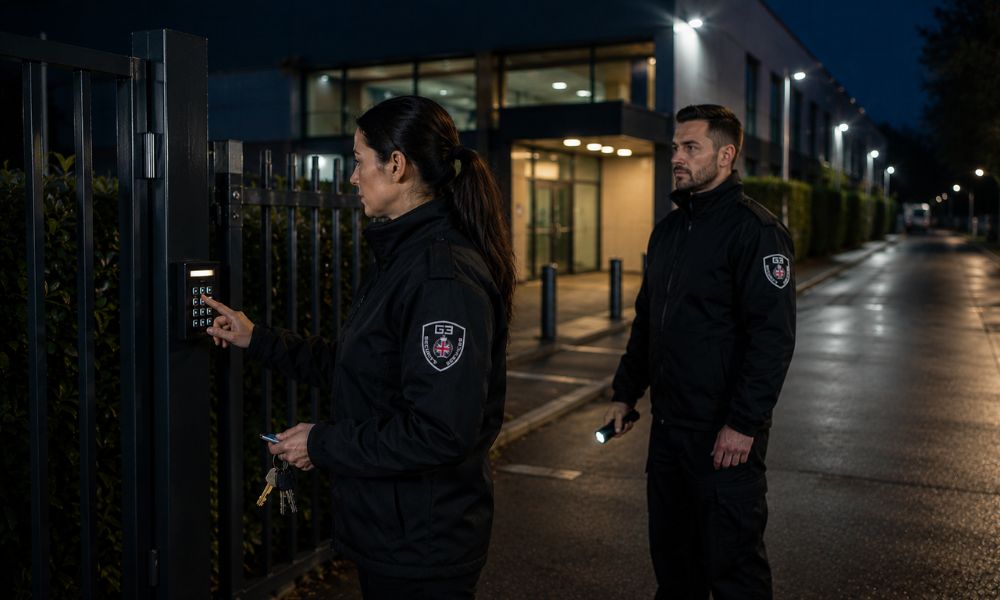
In today’s ever-evolving landscape of security threats, ensuring the safety of commercial buildings has become a top priority for businesses. From theft and vandalism to unauthorised access, the potential risks facing commercial properties are diverse and ever-present. As a leading security guard services provider in the UK, G3 Security Services understands the importance of implementing effective security measures to protect businesses and their assets. Our commitment to providing top-tier security solutions, G3 Security Services recognizes the unique challenges that each commercial property faces. With our tailored approach, we work closely with businesses to assess their specific security needs and develop customised strategies for optimal protection. By leveraging our expertise and industry-leading technologies, we empower businesses to proactively mitigate risks and maintain a secure environment for their operations. In this blog post, we’ll explore eight practical ways to enhance commercial building security and safeguard your property. 1. Invest in Professional Security Guard Services One of the most effective ways to bolster security in commercial buildings is by hiring professional security guards. Trained guards provide a visible deterrent to potential intruders and can quickly respond to security breaches, minimising risks and ensuring a prompt resolution of any security issues. Furthermore, professional security guards not only offer physical presence but also bring valuable expertise in assessing and mitigating security risks specific to commercial settings. Their proactive approach enables them to identify potential threats before they escalate, offering peace of mind to business owners and occupants alike. With their ability to adapt to evolving security challenges, security guards serve as an essential component of a comprehensive security strategy, safeguarding commercial buildings against various threats effectively. 2. Install High-Quality Surveillance Systems Implementing a comprehensive surveillance system with high-resolution cameras and advanced monitoring capabilities can significantly enhance building security. Surveillance cameras act as a deterrent to criminal activity and provide valuable evidence in the event of an incident. Moreover, high-quality surveillance systems offer remote monitoring capabilities, allowing businesses to keep a watchful eye on their premises from anywhere, at any time. This real-time access to surveillance footage enables quick response to suspicious activities or security breaches, enhancing overall security posture. Additionally, modern surveillance technology often integrates with other security systems, such as access control systems and alarms, providing a seamless and integrated security solution for commercial buildings. 3. Implement Access Control Systems Control access to your commercial building by installing access control systems such as key card readers, biometric scanners, or keypad entry systems. These systems allow you to restrict entry to authorised personnel only, reducing the risk of unauthorised access and enhancing overall security. Furthermore, access control systems offer businesses the flexibility to customise access permissions based on roles and responsibilities, ensuring that only individuals with the appropriate clearance can access sensitive areas. By maintaining a digital record of entry and exit logs, these systems provide valuable insights into building traffic and enhance accountability. Additionally, access control systems can be integrated with other security measures, such as surveillance cameras and alarms, to create a comprehensive security ecosystem that offers layered protection against potential threats. 4. Maintain Adequate Lighting Proper lighting plays a crucial role in deterring criminal activity and enhancing visibility around the premises. Ensure that all exterior areas of your commercial building, including parking lots and entryways, are well-lit to minimise hiding spots for potential intruders. Moreover, well-lit exteriors contribute to a sense of safety and security for employees, visitors, and customers, thereby enhancing the overall perception of the business. Regular maintenance of lighting fixtures is essential to ensure consistent illumination and prevent areas from becoming dim or obscured. Additionally, strategic placement of lighting fixtures, such as near entrances and along pathways, can further enhance visibility and deter unauthorised access to the premises. 5. Regular Security Assessments and Updates Conduct regular security assessments to identify potential vulnerabilities and areas for improvement. Stay proactive by updating security protocols, training staff on security procedures, and implementing new technologies to stay ahead of evolving threats. Furthermore, engaging in regular security assessments fosters a culture of vigilance and preparedness among employees, empowering them to play an active role in maintaining a secure environment. By staying abreast of emerging security trends and advancements, businesses can adapt their security measures accordingly, ensuring continued effectiveness against evolving threats. Additionally, conducting periodic reviews of security protocols and procedures enables organisations to identify any gaps or weaknesses and take proactive steps to address them, thereby fortifying the overall security posture of the commercial building. 6. Secure Perimeter Barriers Physical barriers such as fences, gates, and bollards can help secure the perimeter of your commercial building and prevent unauthorised access. Choose durable, high-quality barriers that are difficult to breach and regularly inspect them for any signs of damage or tampering. Moreover, integrating perimeter barriers with other security measures, such as surveillance cameras and motion sensors, enhances their effectiveness by providing early detection of potential threats. Regularly reviewing and updating perimeter security protocols ensures that they remain robust and aligned with evolving security needs. Additionally, communicating the presence of perimeter barriers through signage can serve as a visible deterrent to would-be intruders, further bolstering the security of the commercial building. 7. Employee Training and Awareness Programs Educate employees about security risks and best practices for maintaining a safe work environment. Implement training programs that cover topics such as recognizing suspicious behaviour, responding to emergencies, and properly securing sensitive areas of the building. Furthermore, fostering a culture of security awareness among employees encourages them to actively participate in safeguarding the premises and reporting any security concerns promptly. Regularly scheduled training sessions and refresher courses ensure that employees stay informed about the latest security protocols and procedures. Additionally, providing employees with the knowledge and skills to respond effectively to security incidents not only enhances their safety but also strengthens the overall resilience of the organisation against potential threats. 8. Emergency Response Planning Develop comprehensive emergency response plans that outline procedures for various security scenarios, including intrusions, fires, and natural disasters. Ensure that all employees are familiar

Manned Security Role in Keeping Property Safe and Secure

In today’s uncertain times, ensuring the safety and security of your property has become more crucial than ever. As the owner or manager of a property in the UK, you understand the importance of having robust security measures in place. One such measure that remains indispensable is manned security. Trained security personnel provide a sense of reassurance and reliability, fostering a safer environment for residents, employees, and visitors. With their ability to adapt to evolving threats and situations, manned security guards serve as proactive protectors of your property, ensuring that potential risks are identified and addressed promptly. In this blog, we delve into the pivotal role manned security plays in keeping your property safe and secure. Understanding Manned Security Manned security, often referred to as security guarding, involves the deployment of trained security personnel to physically guard and protect a property or premises. These guards are equipped with the necessary skills and tools to deter, detect, and respond to security threats effectively. Unlike automated security systems, manned security provides a human presence that adds an extra layer of protection and reassurance. Manned security personnel undergo extensive training to handle various security scenarios, including emergencies and conflict resolution. Their presence not only mitigates risks but also fosters a sense of community and accountability within the property. Additionally, manned security guards often serve as ambassadors for your property, offering assistance, guidance, and a visible point of contact for occupants and visitors alike. The Importance of Manned Security 1. Deterrence One of the primary functions of manned security is deterrence. The mere presence of uniformed guards acts as a powerful deterrent to potential intruders or wrongdoers. Knowing that trained professionals are actively monitoring the premises reduces the likelihood of unauthorised access or criminal activity. Furthermore, the visibility of manned security personnel sends a clear message to would-be offenders that the property is actively protected, making it a less appealing target. Studies have shown that properties with manned security experience significantly lower rates of crime and vandalism compared to those without such protection. 2. Immediate Response In the event of a security breach or emergency situation, manned security personnel are trained to respond swiftly and decisively. Whether it’s confronting trespassers, diffusing conflicts, or coordinating with emergency services, their quick response can prevent incidents from escalating and minimise damage to the property. Moreover, the presence of manned security guards provides occupants with a sense of safety and peace of mind, knowing that trained professionals are ready to intervene in case of any threat or emergency. Their ability to assess situations quickly and take appropriate action ensures a rapid and effective response to mitigate risks and maintain order on the premises. 3. Surveillance and Monitoring Manned security guards conduct regular patrols and surveillance rounds to monitor the property’s perimeter and interior spaces. Through vigilant observation and the use of advanced monitoring technologies, they can identify suspicious activities or potential security vulnerabilities and take appropriate action to address them. Additionally, manned security personnel document their observations and findings, providing valuable insights into security trends and areas of concern. This data-driven approach allows for proactive security measures to be implemented, further enhancing the overall safety and security of the property. 4. Customer Service Beyond security duties, manned security personnel often serve as the first point of contact for visitors, tenants, or employees entering the premises. Their friendly demeanour and professional conduct contribute to a positive and welcoming environment while simultaneously enhancing security measures. Moreover, by being approachable and knowledgeable about the property, manned security guards can offer directions, assistance, and information, enhancing the overall experience for occupants and visitors. Their presence adds a layer of customer service that goes beyond traditional security roles, fostering a sense of community and trust within the property. Tailoring Manned Security to Your Needs Every property has unique security requirements based on its location, size, industry, and specific risks. As a leading security services provider in the UK, G3 Security Services recognizes the importance of customization. We work closely with our clients to assess their security needs and develop tailored solutions that address their concerns effectively. Our team at G3 Security Services understands that a one-size-fits-all approach to security is ineffective. That’s why we prioritise collaboration and communication with our clients to understand their specific challenges and objectives. By tailoring our manned security services to your needs, we ensure that your property receives the highest level of protection while optimising cost-effectiveness and efficiency. Why Choose G3 Security Services 1. Experience and Expertise With years of experience in the security industry, G3 Security Services boasts a team of highly trained and licensed security professionals. Our guards undergo rigorous training programs to ensure they are equipped with the latest techniques and best practices in security management. Our commitment to ongoing training and professional development ensures that our security personnel stay abreast of emerging threats and industry advancements. With a wealth of experience in various security environments, we have the expertise to handle diverse challenges effectively, providing you with peace of mind knowing that your property is in capable hands. 2. Comprehensive Services From manned guarding and mobile patrols to keyholding and alarm response, we offer a comprehensive range of security services to meet diverse needs. Whether you require ongoing security presence or temporary coverage for special events, we have you covered. Furthermore, our comprehensive approach to security extends beyond traditional guarding services to encompass the latest technological solutions. With G3 Security Services, you can rest assured that your property is protected by a full spectrum of security solutions tailored to your specific requirements. 3. 24/7 Support At G3 Security Services, we understand that security concerns can arise at any time of the day or night. That’s why we offer round-the-clock support and emergency response capabilities to ensure our clients receive the assistance they need whenever they need it. Our dedicated team is available 24/7 to address any security issues promptly, providing reassurance and swift resolution around the clock. Whether it’s a minor incident or

Is In-house or Outsourced Security Guard Better for My Business?

In the realm of safeguarding your business assets and ensuring the safety of your premises, the choice between in-house security guards and outsourced security services is pivotal. Each option bears its own set of advantages and considerations, catering to distinct business needs and objectives. In addition to considering the immediate security needs of your business, it’s crucial to evaluate long-term sustainability and adaptability. Assessing the potential for growth, technological advancements, and evolving security threats can guide your decision-making process. Understanding the regulatory landscape and compliance requirements is paramount to ensure adherence to industry standards and legal obligations. In this comprehensive guide, we delve into the merits and demerits of both in-house and outsourced security guard solutions, empowering you to make an informed decision for your business’s security requirements. Understanding In-house Security Guards In-house security guards are directly employed by your business and operate under your management. They are an integral part of your workforce, familiar with your company’s operations, policies, and culture. This closeness to the organisation can foster a sense of loyalty and dedication among in-house security personnel, as they become deeply invested in safeguarding your assets and ensuring a secure environment. The direct employment of in-house security guards allows for more seamless integration with existing staff and security protocols, promoting a cohesive approach to risk mitigation. Their ongoing presence within the company facilitates stronger relationships with employees and management, fostering open communication channels and proactive collaboration in addressing security concerns. Additionally, in-house security personnel often undergo specialised training tailored to the specific needs of the business, further enhancing their effectiveness in mitigating security risks. Pros of In-house Security Guards Familiarity with Company Operations: In-house security guards possess an intimate understanding of your business operations, enabling them to tailor their security strategies to the specific needs and vulnerabilities of your premises. Immediate Response: With in-house security guards stationed on-site, response times to security incidents or emergencies are typically quicker, as they are readily available and familiar with the layout of your facilities. Enhanced Accountability: Direct employment fosters a higher level of accountability among in-house security personnel, as they are directly answerable to your organisation’s management. Cons of In-house Security Guards Resource Intensive: Recruiting, training, and managing in-house security guards can be resource-intensive, requiring significant investments of time and money. Limited Expertise: In-house security teams may lack the specialised skills and expertise that outsourced security providers offer, particularly in areas such as threat assessment, technology integration, and risk management. Fixed Costs: Employing in-house security guards entails fixed costs, including salaries, benefits, and overhead expenses, which may not be scalable or cost-effective for businesses with fluctuating security needs. Exploring Outsourced Security Guard Services Outsourced security guard services involve partnering with specialised security companies to fulfil your security requirements. These external providers offer a range of services, from manned guarding to technological solutions, tailored to your business’s unique needs and budgetary constraints. Outsourcing security guard services provides access to a broader pool of security expertise and resources, including advanced technology and specialised training programs. By leveraging the diverse skill sets of outsourced security professionals, businesses can benefit from innovative security strategies and proactive threat detection capabilities. Additionally, outsourcing security services can alleviate the administrative burden associated with managing an in-house security team, allowing businesses to focus on their core operations and strategic objectives. Pros of Outsourced Security Guard Services Specialised Expertise: Outsourced security providers bring a wealth of specialised expertise and experience to the table, leveraging the latest industry best practices and technologies to deliver robust security solutions. Scalability and Flexibility: Outsourced security services offer scalability and flexibility, allowing you to adjust the level of security coverage based on changing business requirements, seasonal fluctuations, or evolving threat landscapes. Cost-Efficiency: Outsourcing security guard services can be cost-effective, as it eliminates the need for in-house recruitment, training, and management expenses, while providing access to a diverse pool of skilled security professionals. Cons of Outsourced Security Guard Services Potential for Disconnect: Outsourced security guards may lack the same level of familiarity with your business operations and culture as in-house personnel, potentially leading to a disconnect in understanding and responsiveness. Dependency on Third-party Providers: Relying on external security providers entails a degree of dependency, wherein the quality of service delivery is contingent upon the performance and reliability of the contracted company. Security Risks: Entrusting sensitive security responsibilities to external parties carries inherent risks, including breaches of confidentiality, compliance issues, or conflicts of interest, which must be carefully managed through stringent contractual agreements and oversight mechanisms. Are You Looking to Outsource Your Security Services? In the dynamic landscape of business security, the decision to outsource security services is a strategic choice that requires careful consideration and evaluation. By partnering with reputable security providers like G3 Security Services, businesses can access a range of specialised solutions tailored to their unique needs and objectives. Whether you’re seeking to enhance your existing security measures, optimise cost-effectiveness, or adapt to evolving security threats, outsourcing security services can offer a viable and efficient solution. Outsourcing security services allows businesses to tap into a wealth of industry expertise and cutting-edge technologies, bolstering their defence against potential threats. Additionally, entrusting security responsibilities to experienced external providers can free up internal resources and streamline operations, enabling businesses to focus on their core activities and strategic priorities. Conclusion In determining whether in-house or outsourced security guard services are better suited to your business, it’s essential to weigh the unique advantages and drawbacks of each option against your specific security objectives, budgetary constraints, and operational considerations. While in-house security guards offer familiarity and immediate responsiveness, outsourced security services provide specialised expertise, scalability, and cost-efficiency. Ultimately, the optimal choice hinges on striking the right balance between these factors and aligning your security strategy with your broader business goals. For businesses seeking comprehensive security solutions tailored to their needs, partnering with reputable outsourced security providers like G3 Security Services can offer peace of mind and assurance in safeguarding their assets and premises. Conducting a thorough risk assessment can

Why Security Guard is Important in The Business Organisation?

In today’s unpredictable world, safeguarding your business premises isn’t just an option; it’s a necessity. With the ever-present threat of theft, vandalism, and unauthorised access, having security guards in place is crucial for the safety and security of your business. Security guards also provide a sense of reassurance to employees and customers, fostering a positive work environment and enhancing customer trust. Their presence acts as a visible deterrent, dissuading potential wrongdoers and minimising the likelihood of security incidents. Moreover, security guards are trained to handle challenging situations with professionalism and tact, de-escalating conflicts and maintaining order effectively. In this blog post, we’ll delve into why security guards are important for business organisations, emphasising the significance of professional security guard services in the UK. 1. Protection Against Threats One of the primary reasons businesses invest in security guards is to protect their assets, employees, and customers from potential threats. Whether it’s deterring burglars after hours or preventing unauthorised individuals from entering restricted areas, security guards act as a visible deterrent against crime. Their mere presence can significantly reduce the risk of criminal activity, providing peace of mind to business owners and stakeholders. Security guards undergo rigorous training to handle various security scenarios, including emergency situations such as fires or medical emergencies. Their swift response and decisive actions can help mitigate risks and minimise potential harm to individuals and property. By maintaining a vigilant presence and being prepared for any eventuality, security guards play a crucial role in ensuring the overall safety and security of the business premises. 2. Emergency Response In the event of an emergency situation such as a break-in, fire, or medical incident, security guards are trained to respond swiftly and effectively. Their training equips them with the necessary skills to handle various emergency scenarios, minimising damage and ensuring the safety of everyone on the premises. Having trained professionals onsite can make all the difference in mitigating risks and preventing potential disasters from escalating. Security guards often collaborate closely with emergency responders such as firefighters, and paramedics, facilitating a coordinated and efficient response to emergencies. Their familiarity with the premises enables them to guide emergency personnel to the affected areas swiftly, ensuring a prompt resolution of the situation. By acting as first responders in critical situations, security guards contribute significantly to the overall safety and well-being of the business establishment and its occupants. 3. Customer Service Beyond their role in security enforcement, security guards also play a crucial role in providing customer service. They serve as the first point of contact for visitors, assisting them with directions, answering inquiries, and ensuring a welcoming environment. By combining security responsibilities with customer service duties, security guards contribute to the overall positive experience of individuals interacting with the business. security guards serve as ambassadors for the business, representing its commitment to safety and professionalism. Their friendly demeanour and helpful attitude create a favourable impression on visitors and customers, enhancing the reputation of the business. By seamlessly integrating security and customer service, security guards contribute to a welcoming and secure environment that fosters trust and loyalty among patrons. 4. Asset Protection Businesses invest significant resources in equipment, inventory, and intellectual property. Security guards help protect these valuable assets from theft, damage, or sabotage. Through regular patrols, access control, and surveillance, security guards create a secure environment where assets are safeguarded, reducing the risk of financial losses and operational disruptions. Furthermore, security guards are trained to identify potential security vulnerabilities and implement preventive measures to mitigate risks proactively. Their proactive approach includes conducting security audits, identifying weak points in the security infrastructure, and recommending improvements to enhance overall asset protection. By staying vigilant and adaptive to emerging threats, security guards provide businesses with a proactive defence against potential security breaches and asset losses. 5. Risk Management Effective risk management is essential for the long-term viability of any business. Security guards are trained to identify potential security vulnerabilities and mitigate risks before they escalate into significant problems. By conducting security assessments, implementing security protocols, and monitoring for suspicious activities, security guards contribute to proactive risk management strategies, enhancing the overall resilience of the business. Security guards serve as a visible deterrent to potential threats, signalling to would-be perpetrators that the business takes security seriously. Their presence alone can discourage criminal activity and reduce the likelihood of security incidents occurring. By actively deterring threats and mitigating risks, security guards play a pivotal role in maintaining business continuity and protecting the interests of stakeholders. 6. 24/7 Surveillance Criminal activities can occur at any time, day or night. Having security guards stationed onsite provides round-the-clock surveillance and protection for business premises. Whether it’s conducting patrols, or responding to alarms, security guards maintain vigilance to detect and deter potential security threats, even during non-operational hours. The presence of security guards offers a human element to surveillance, allowing for immediate response and intervention in case of suspicious activity. This real-time monitoring capability enhances the effectiveness of security measures and reduces the likelihood of security breaches going undetected. By providing continuous surveillance and rapid response capabilities, security guards ensure comprehensive protection for the business premises, bolstering peace of mind for owners and stakeholders alike. 7. Customised Security Solutions Every business is unique, with its own set of security challenges and requirements. Security guard services can be tailored to address specific needs and concerns of individual businesses. Whether it’s retail security, event security, corporate security, or industrial security, G3 Security Services offer customised solutions to meet the diverse needs of their clients. Moreover, security guard companies often conduct thorough assessments of the business premises to identify potential vulnerabilities and areas of concern. This personalised approach enables them to develop tailored security plans that align with the specific needs and priorities of each client. By collaborating closely with businesses and adapting their strategies accordingly, security guard services ensure optimal protection and peace of mind for clients across various industries and settings. Conclusion In conclusion, security guards are indispensable assets for business organisations

The Importance of Physical Security Risk Assessment 

Physical security risk assessment is a vital process for organisations to proactively identify and address potential security threats. Businesses can develop tailored strategies to mitigate risks by carefully evaluating vulnerabilities and assessing hazards. As a result, their assets, employees, and operations are protected. Discover the importance of physical security risk assessment in identifying potential risks. Strengthen your organisation’s security posture with this expert guide. In this blog post, we will discuss the significance of conducting a thorough physical security risk assessment and how it can help organisations enhance their overall security position. From identifying potential weaknesses to implementing effective security measures, discover how a comprehensive security risk assessment can play an important role in keeping your company safe. What is a Physical Security Assessment? A physical security assessment is a comprehensive evaluation of an organisation’s physical security measures and infrastructure. It involves identifying potential vulnerabilities and threats to a building. Typically, the assessment includes a thorough examination of the site’s layout, access control systems, alarm systems, and other security features that might be present. A skilled security professional conducts the assessment and analyses existing security measures, policies, and procedures. The goal is to identify weaknesses in the security infrastructure and recommend improvements to improve protection against unauthorised access, theft, vandalism, or other security risks. The goal of the assessment is to help businesses establish a solid foundation for effective security protocols and keep their premises and assets safe. Benefits of Physical Security Risk Assessments Physical security risk assessments are essential for organisations looking to safeguard their assets, employees, and operations. These assessments offer a comprehensive analysis of potential threats, vulnerabilities, and the effectiveness of current security measures. By conducting a thorough risk evaluation, businesses gain valuable insights into the specific areas that require improvement, enabling them to implement targeted strategies for risk mitigation. This proactive approach not only enhances overall security but also ensures regulatory compliance and optimised resource allocation. Furthermore, risk assessments help organisations make informed decisions about security investments, leading to cost-effective solutions that protect against potential threats while supporting long-term business resilience. Improving Business Resilience and Risk Management: A security risk assessment identifies all your critical assets, vulnerabilities, and business controls. These assessments allow organisations like yours to better understand their vulnerabilities and develop strategies to minimise risks. In addition, the detailed risk assessment reports provide valuable insights into areas of concern and help businesses implement the right security measures. Being proactive helps improve business resilience and risk management, ultimately ensuring the safety and protection of assets, employees, and operations. Understanding of Risk: Physical security risk assessments are crucial for developing an accurate understanding of the risks that a facility faces. A detailed evaluation of assets, threats, and associated vulnerabilities is a way for a company to quantify risk exposure. Businesses can use these data-driven insights to determine which areas are most susceptible to breaches, theft, or acts of violence. In return, security leaders can implement appropriate controls, enforce policies, allocate resources, and address pressing vulnerabilities. Vulnerability Identification and Remediation: Another benefit of physical security risk assessments is their ability to identify vulnerabilities and drive solutions. By conducting these assessments, organisations can evaluate their existing security policies and systems to determine how effective they are in minimising threats. These assessments allow for the identification of potential threats and vulnerabilities and help organisations develop targeted risk strategies. This allows businesses to enhance their overall physical security and reduce their exposure to potential security breaches. Cost Mitigation: Organisations are also able to identify vulnerabilities and implement the right solutions in a cost-effective manner. Rather than taking a one-size-fits-all approach, an in-depth risk assessment pinpoints specific facility weaknesses, high-value targets, and security gaps. Rather than taking a one-size-fits-all approach, companies can be specific based on their site needs. This precise risk analysis leads to more efficient spending as it reveals the ideal technologies and level of protection required for each company. Regulatory Compliance: Conducting a security risk assessment is key to maintaining compliance with industry regulations. A comprehensive evaluation helps find gaps in meeting required security controls, protocols, and best practices. The assessment helps flag areas that need to improve to meet legal obligations, certification standards, and insurance policies. By determining specific vulnerabilities and deficiencies, a security risk assessment acts as a roadmap to address issues and demonstrate adherence. Informed Decision Making: Physical security risk assessments provide decision-makers with data-driven insights that help them strategically allocate resources to safeguard critical company assets. A risk analysis quantifies the potential impacts of various threats, allowing the leader and the company to take preventative measures accordingly. Risk assessments give security managers the information they need to make smart investments in capabilities that offer the best protection. Steps to a Complete Physical Risk Security Assessment A Complete Physical Risk Security Assessment involves several key steps to ensure robust security. It begins with inspecting facilities to evaluate existing controls and identify vulnerabilities. Next, it focuses on identifying risk factors by assessing business operations and potential threats. An audit of current security systems follows, revealing gaps and weaknesses. Reviewing operating procedures helps uncover vulnerabilities in policies and protocols. Finally, specific physical security risks are assessed to develop targeted measures for enhancing protection and safeguarding assets. This thorough process ensures all potential threats are addressed effectively. Inspect Your Facilities and Sites: The first step is to inspect your facilities and sites to evaluate your existing physical security controls such as access control systems, surveillance cameras, and security personnel presence. This step includes identifying any potential vulnerabilities or weaknesses in the physical infrastructure and assessing potential risks. This thorough inspection gives you a comprehensive understanding of the security measures in place and determines areas that need improvement to mitigate risks. Identify Your Risk Factors: The next step in conducting a thorough physical security risk assessment is to identify your risk factors. You’ll need to carefully evaluate your business operations and identify vulnerabilities that could pose a risk to your physical security. This can include aspects such as

What is Logistics Security? Key Challenges & Solutions

Introduction In today’s fast-paced global economy, logistics security has become a crucial component of supply chain management. As businesses rely on complex transportation networks to move goods efficiently, ensuring the safety and security of these assets is essential. Logistics security involves safeguarding cargo, transportation infrastructure, and personnel from theft, damage, and other risks. In this blog, we will explore what logistics security entails, the key challenges faced by businesses, and the most effective solutions to mitigate security threats. What is Logistics Security? Logistics security refers to the strategies, policies, and technologies implemented to protect supply chains from theft and operational disruptions. It encompasses various aspects, including physical security, risk management, and regulatory compliance. Effective logistics security ensures that goods reach their intended destinations without compromise, minimizing financial losses and maintaining the trust of clients and partners. Whether a business transports goods by road, sea, rail, or air, logistics security is a critical factor in sustaining smooth operations. Key Challenges in Logistics Security Logistics security faces numerous challenges that can disrupt supply chain operations and lead to significant financial and reputational losses. Companies must be prepared to tackle these issues by implementing robust security measures and staying ahead of evolving threats. Below are some of the most pressing security challenges in the logistics sector. 1. Theft and Pilferage High-value goods in transit are prime targets for theft. Criminals exploit weak security measures at warehouses, loading docks, and during transportation. Strengthening cargo protection with tracking systems, secure packaging, and guarded transport can significantly reduce this risk. 2. Supply Chain Disruptions Natural disasters, geopolitical tensions, and unexpected global events (such as pandemics) can severely impact supply chains. Delays, increased costs, and shortages may occur when alternative routes or suppliers aren’t readily available. A well-prepared contingency plan can help mitigate these disruptions. 3. Unauthorized Access and Facility Security Warehouses and distribution centers often house valuable goods, making them vulnerable to unauthorized access. Weak access control measures can result in theft, tampering, or safety breaches. Strengthening physical security with surveillance cameras, biometric entry systems, and trained security personnel helps prevent such risks. Effective Logistics Security Solutions To mitigate these challenges, companies must adopt a multi-layered security approach that incorporates advanced technology, stringent security policies, and employee training. A comprehensive security strategy helps safeguard every stage of the supply chain from potential threats. Below are some effective solutions: 1. Remote Monitoring Advanced remote monitoring solutions allow logistics companies to oversee security operations from a centralized location. Smart surveillance systems can detect suspicious activities and send real-time alerts. This approach helps reduce security costs while maintaining high levels of protection. Remote monitoring also enables security teams to respond to incidents more efficiently, minimizing potential damage. 2. Security Personnel and K9 Units Hiring trained security guards and deploying K9 units can significantly deter criminal activities. Security personnel can perform regular patrols, while K9 units enhance detection capabilities for illicit substances and explosives. Security guards stationed at key checkpoints provide an additional layer of protection. Well-trained K9 units can also assist in crowd control and emergency situations. 3. Temporary Warehouse Security For seasonal operations or high-demand periods, temporary warehouse security solutions can help protect inventory. This includes deploying mobile security units, reinforced storage solutions, and temporary surveillance cameras. Temporary security measures ensure flexibility while maintaining optimal protection for goods in transit. 4. Lock and Key Security Physical security measures such as high-quality locks and key management systems prevent unauthorized access to cargo. Companies can implement electronic key tracking systems to monitor access to secured areas. Combining traditional locking mechanisms with digital access control enhances overall security. Why is Logistics Security Important? Logistics security plays a vital role in safeguarding goods, ensuring smooth supply chain operations, and preventing disruptions. Without proper security measures, businesses face risks that can lead to significant financial and reputational damage. Prevents Theft and Cargo Loss: Strong security measures help protect valuable goods from theft, pilferage, and hijacking during transit and storage. Reduces Financial Losses: Logistics security minimizes losses caused by stolen goods, damaged shipments, and operational disruptions. Enhances Supply Chain Efficiency: Secure transportation and storage ensure smooth operations, reducing delays and improving delivery timelines. Protects Against Cyber Threats: Robust cybersecurity measures prevent data breaches, ransomware attacks, and unauthorized access to logistics systems. Ensures Regulatory Compliance: Following security regulations and industry standards helps businesses avoid legal issues and penalties. Strengthens Customer Trust: Reliable security measures reassure clients that their shipments are protected, enhancing brand reputation and customer loyalty. Mitigates Operational Disruptions: Security measures such as real-time monitoring and risk assessment help businesses quickly respond to security threats and unforeseen incidents. Supports Business Continuity: A well-secured logistics network minimizes risks that could halt operations, ensuring long-term stability and growth. How Can You Acquire Logistics Security? Protecting your supply chain requires professional security solutions tailored to your business needs. G3 Security Services provides comprehensive logistics security, including trained security guards, K9 units, remote monitoring, and warehouse protection to safeguard your assets. Our expert team offers 24/7 surveillance and access control to prevent theft and unauthorized access. Whether you need temporary warehouse security, on-site patrols, or advanced monitoring solutions, we offer customized services to keep your operations secure. Partner with G3 Security Services today for trusted and reliable logistics security that protects your supply chain from end to end. Conclusion Logistics security is a critical aspect of supply chain management that requires a proactive and multi-layered approach. Businesses must invest in advanced security solutions and train personnel to mitigate risks effectively. G3 Security Services specializes in providing top-tier security solutions tailored to the logistics industry. Our highly trained security professionals and K9 units ensure the safety of your assets throughout the supply chain. Contact us today to learn more about how we can help secure your logistics operations.

What Are The Types of Security Guards Services?

Introduction In today’s fast-paced world, security concerns are prevalent across various industries and environments. From corporate offices to construction sites, from bustling events to tranquil hotels, the need for reliable security solutions has never been greater. Security guard services encompass a wide array of specialised offerings, each tailored to address the unique security challenges faced by different sectors. The role of security guard services has evolved to encompass proactive risk mitigation and rapid response capabilities. With a focus on prevention, deterrence, and incident management, security guards serve as the frontline defenders of safety and security in today’s complex landscape. By understanding the multifaceted nature of security challenges and employing tailored security solutions, organisations can effectively mitigate risks, protect assets, and uphold the well-being of individuals within their environments. In this comprehensive guide, we’ll explore the diverse types of security guard services, shedding light on their roles, significance, and applications in safeguarding people, assets, and premises. 1. Corporate Office Security Corporate office security services are essential for maintaining a safe and secure environment within office premises. Trained security personnel monitor access points, conduct regular patrols, and implement security protocols to prevent unauthorised entry, theft, and disturbances. Their presence instils confidence among employees, visitors, and stakeholders, fostering a productive and secure workspace conducive to business operations. Regular training sessions ensure that security personnel are equipped with the necessary skills to handle various situations effectively. By upholding a strong presence and enforcing stringent security measures, these professionals safeguard valuable assets and confidential information, reinforcing the integrity of the organisation. 2. Concierge Security Concierge security services blend hospitality and security expertise to deliver personalised assistance and protection to clients in hotels. Concierge security professionals greet guests, manage access control, and provide information and assistance while maintaining a vigilant watch over the premises. Their dual role enhances the customer experience while ensuring a safe and welcoming environment for residents and guests. Concierge security personnel are trained to handle emergencies with composure and efficiency, offering immediate assistance in situations such as medical emergencies or security breaches. They serve as a visible deterrent to potential threats while fostering a sense of trust and comfort among residents and visitors. By seamlessly integrating hospitality with security measures, concierge security services elevate the overall quality of service and contribute to the reputation and success of the establishment they serve. 3. Construction Security Construction sites present unique security challenges due to their open nature and high-value equipment and materials. Construction security services deploy trained guards to monitor entry points, deter theft and vandalism, and enforce safety regulations. By implementing access control measures, conducting patrols, construction security teams safeguard assets, prevent unauthorised access, and mitigate risks associated with theft and liability. Construction security personnel collaborate closely with site managers and project teams to assess security vulnerabilities and develop customised security plans tailored to the specific needs of each construction site. Their proactive approach includes regular risk assessments and adjustments to security protocols as the project progresses, ensuring comprehensive protection throughout the construction process. By maintaining a visible presence and promptly addressing any security concerns, construction security services contribute to the smooth operation and timely completion of projects while minimising potential disruptions and losses. 4. Event Security Events, ranging from corporate conferences to music festivals, require specialised security measures to ensure the safety and well-being of attendees and participants. Event security services employ crowd management strategies, access control measures, and emergency response protocols to mitigate risks and maintain order. Trained security personnel monitor crowds, handle emergencies, and coordinate with event organisers and local authorities to ensure a smooth and secure event experience. Event security teams conduct thorough risk assessments prior to the event, identifying potential threats and vulnerabilities to develop comprehensive security plans. They deploy advanced technology such as surveillance cameras and metal detectors to enhance security measures and detect any suspicious activity promptly. By providing a visible presence and fostering a sense of security among attendees, event security services contribute to the success and reputation of the event while prioritising the safety and enjoyment of all participants. 5. Hotel Security Hotel security services play a crucial role in providing a safe and secure environment for guests, staff, and property. Security guards stationed at key areas such as entrances, lobbies, and parking lots deter criminal activity, respond to emergencies, and assist guests as needed. Hotel security teams are trained to handle various situations discreetly while upholding the reputation and hospitality standards of the establishment. Furthermore, hotel security personnel conduct routine patrols of the premises, including guest floors and other vulnerable areas, to ensure continuous monitoring and quick response to any security concerns. They collaborate closely with hotel management to implement security protocols, including access control measures and surveillance systems, tailored to the specific needs and layout of the property. By maintaining a proactive and vigilant approach, hotel security services contribute to a positive guest experience, enhancing satisfaction and loyalty while safeguarding the hotel’s assets and reputation. 6. Retail Security Retail security services are vital for protecting merchandise, deterring theft, and ensuring a positive shopping experience for customers. Security guards stationed within retail stores deter shoplifting, and provide customer assistance when required. Their proactive presence helps minimise losses due to theft and enhances the overall security and profitability of retail establishments. Retail security personnel are trained to recognize and respond to suspicious behaviour effectively, intervening discreetly to prevent theft while maintaining a welcoming atmosphere for legitimate shoppers. They collaborate with store management to implement loss prevention strategies, such as inventory control and employee training programs, to mitigate security risks and protect profit margins. By fostering a sense of safety and trust among customers, retail security services contribute to increased customer satisfaction and loyalty, ultimately driving business success. 7. Industrial and Warehouse Security Industrial and warehouse facilities house valuable assets, equipment, and inventory that require protection against theft, vandalism, and unauthorised access. Security guards deployed at industrial sites conduct perimeter patrols, and enforce safety protocols to prevent security breaches and disruptions to operations. Their

What Does a Close Protection Operative Actually Do?

As crime rates increase and the threat of terrorism continues, ensuring the safety of individuals who face increased risk of these dangers is important. These individuals may get targeted due to their public visibility, wealth, or other factors. Protecting them effectively is essential for their security and well-being. In this blog, we delve into the intricate world of close protection. We will explore the various types of operatives, examine their specific responsibilities, discuss the essential skills required, and highlight the scenarios in which they are most crucial. What is a Close Protection Operative? Close protection security is a specialised field created to safeguard these high-risk individuals from both physical danger and potential threats. Known commonly as bodyguards, close protection operatives are extensively trained professionals dedicated to offering a protective presence to high-profile figures facing imminent threats. These operatives are equipped with a diverse set of skills, enabling them to evaluate risks, spot suspicious behaviours, and react swiftly during crises. Their roles extend beyond mere physical security; close protection operatives must also conduct continuous security monitoring, uphold a professional attitude, and stay informed about the local legal framework. A close protection operator also manages sensitive information discreetly, provides emotional support, and offers counsel when necessary. This security role encompasses a broad spectrum of responsibilities, duties, and skills essential for the protection and well-being of the individuals under their care. Types of Close Protection Operatives Close protection security is an intricate service designed for individuals such as high-profile public figures who are exposed to risks stemming from their fame, economic status, or profession. Depending on the unique requirements of the individual requiring protection, various types of close protection services are utilised.  VIP Protection: This service is designed to safeguard high-risk individuals while they are travelling or situated in a specific location. It typically involves a team of close protection operatives who ensure the safety of the person, their family, staff, and significant assets. Residential Protection: This type of service focuses on the safety of the high-risk individuals and their family at their residence. Operatives are tasked with securing the home and monitoring any visitors. Event Protection: During public events or gatherings, close protection operatives ensure the safety of the high-risk individuals and often their associates as well. Security Chauffeuring: This service offers executive transportation with drivers who are trained for close protection operations, advanced and defensive driving, and anti-ambush techniques. It caters to a diverse clientele, including VIPs, CEOs, celebrities, and politicians. Responsibilities of Close Protection Operatives There’s a widespread misconception that close protection should primarily be reactive rather than preventative. However, the goal is always to avoid confrontations if possible. Effective prevention relies more on intellectual capabilities than physical strength and demands intense concentration, which can be mentally challenging. Proactive Planning: A significant portion of a close protection operative’s time is dedicated to preparing in advance to minimise the likelihood of incidents. This preparation involves more than just responding to events as they occur; it’s about reducing the chances of those events happening in the first place. Understanding and continuously applying situational awareness is crucial in close protection, as prevention is invariably better than the remedy. Close protection operatives are highly trained security professionals responsible for the safety of specific individuals or groups. Their primary role is to safeguard their clients from harm by assessing potential threats, monitoring the environment for suspicious activities, and developing and implementing strategic security plans to mitigate risks. Vigilance and Risk Management: A close protection operator must maintain constant vigilance, keeping a watchful eye on the surroundings and ensuring the client is kept at a safe distance from potential threats. They are tasked with identifying risks quickly, planning effective countermeasures, anticipating possible dangers, and reacting promptly and appropriately should a threat materialise. Communication and Decision-Making: In addition to physical security measures, close protection operatives must possess excellent problem-solving and decision-making skills. Effective communication is essential, not only with the client but also with other members of the security team to ensure coordinated efforts in protecting the principal. Composure Under Pressure: Arguably the most critical trait for a close protection operative is the ability to remain calm and focused, especially in those rare but crucial moments when their client faces a clear and present danger. This composure ensures that operatives can perform their duties effectively, even under extreme stress. The Essentials of Close Protection Training Close protection security requires highly trained professionals with a range of skills to do their job well and professionally. Physical Fitness: Close protection operatives need to be very fit and strong. This helps them protect their clients from danger and act quickly if someone tries to harm them.  Security Training: All close protection operatives must go through detailed training sessions before they can begin protection. This training covers how to use security systems, keep watch, and defend themselves and their clients. They also need to learn the legal rules about what they can and cannot do in their job. Licensing and Legal Requirements: Every operative in the UK needs to have an SIA Close Protection licence to work. This licence shows they are qualified to work as a bodyguard or in close protection. It also means they have passed tests in important areas like first aid and have no criminal record. Innate Skills for Effective Operation: One key skill for a close protection operative is the natural ability to stay calm and think clearly in stressful situations, making quick and smart decisions. Without these skills and proper training, operatives wouldn’t be able to keep their clients safe. Understanding the Threats Managed by Close Protection Operatives While anyone may encounter criminal behaviour, certain individuals face a heightened risk of becoming targets due to their public prominence or substantial wealth. Consequently, these high-profile individuals often require close protection as part of their daily lives. The necessity for such security frequently stems from previous incidents, direct threats received, or simply from holding a position of power that naturally draws public scrutiny. The types of

Should Your Area Be Investing in Residential Security Service?

In recent years, the need for residential security services has become increasingly apparent. With rising concerns about property crime, vandalism, and personal safety, many communities are looking for ways to enhance security measures. One avenue that’s gaining traction is investing in residential security services provided by companies like G3 Security Services in the UK. But is it worth it for your area? Let’s delve into the key factors to consider. 1. Local Crime Rates Start by assessing the crime rates in your area. Is there a noticeable uptick in burglaries or vandalism? Are residents expressing concerns about safety? High crime rates often necessitate proactive security measures to deter criminals and protect property. Engage with local law enforcement to get detailed crime statistics and identify hotspots. Regular community meetings can also provide insights into residents’ concerns and help formulate a collective security strategy. 2. Neighbourhood Demographics Consider the demographics of your neighbourhood. Are there many families, elderly residents, or high-net-worth individuals? Certain demographics may be more vulnerable to security threats and could benefit greatly from residential security services. Understanding the specific needs of these groups can help in tailoring security solutions effectively. Additionally, engaging with local community groups can provide valuable feedback on the unique security challenges they face. 3. Property Values The value of properties in your area is another important factor. High-value homes and commercial properties are often targeted by criminals. Investing in residential security services can help safeguard these assets and maintain property values. Insurance companies may also offer discounts for properties with robust security measures in place, further emphasising the value of such investments. Regular property assessments can highlight areas where additional security measures may be beneficial. 4. Community Engagement Evaluate the level of community engagement and support for security initiatives. Are residents willing to invest in their safety? Collaborating with neighbours and local authorities can strengthen security efforts and create a safer environment for everyone. Community watch programs can be a great way to increase vigilance and foster a sense of collective responsibility. Hosting security workshops can also educate residents on best practices and preventive measures. 5. Security Solutions Offered Explore the range of security solutions offered by companies like G3 Security Services. From manned guarding and mobile patrols, there are various options to suit different security needs and budgets. Consider the scalability of these solutions to ensure they can grow with your community’s needs. It’s also important to review case studies or client testimonials to gauge the effectiveness of these services. 6. Customization Options Look for a security provider that offers customization options tailored to your area’s specific requirements. A one-size-fits-all approach may not be effective in addressing unique security challenges. G3 Security Services prides itself on delivering bespoke security solutions tailored to each client’s needs. Regular consultations with the security provider can help fine-tune these solutions over time. Additionally, flexibility in contract terms can make it easier to adjust services as needs evolve. 7. Cost-Benefit Analysis Conduct a cost-benefit analysis to determine the financial feasibility of investing in residential security services. While upfront costs may seem daunting, consider the potential savings in terms of property damage, theft prevention, and peace of mind for residents. Long-term contracts might offer cost savings and additional benefits. Additionally, consider potential increases in property values and insurance savings as part of the overall financial assessment. 8. Legal and Regulatory Compliance Verify that the security provider complies with all relevant laws and regulations governing the security industry. Working with a licensed and accredited company like G3 Security Services ensures accountability and adherence to industry standards. Regular audits and compliance checks can safeguard against legal issues. Understanding local regulations can also help in implementing security measures that are both effective and lawful. 9. Long-Term Security Planning Lastly, think about your long-term security planning goals. Residential security services should be viewed as a proactive investment in the safety and well-being of your community. Look for a provider that offers ongoing support and monitoring to adapt to evolving security threats. Developing a security roadmap can help in planning for future needs and contingencies. Regular reviews and updates to the security plan can ensure it remains relevant and effective. Our Home Security Options Mobile Patrol Security:  Mobile patrols offer a flexible and visible security presence. Trained security professionals patrol designated areas on foot or by vehicle, deterring criminal activity and responding swiftly to any security breaches. On-Site Security Guard:  On-site security guards provide a physical presence and immediate response capability. They can monitor access points, conduct regular patrols, and intervene in security incidents to ensure the safety of residents and properties. The Benefits of Residential Security Investing in residential security services offers numerous benefits: Crime Deterrence: Visible security measures deter criminals and reduce the likelihood of break-ins, thefts, and vandalism. Peace of Mind: Knowing that your property is protected by professional security personnel provides peace of mind for residents and property owners. Quick Response: Security guards can respond rapidly to security breaches, minimising damage and ensuring the safety of residents. Customised Solutions: Residential security services can be tailored to address specific security concerns and requirements, ensuring effective protection for each property. Community Safety: Enhanced security measures contribute to a safer environment for the entire community, fostering a sense of security and well-being among residents. Residential Security – Let G3 Security Help At G3 Security Services, we understand the importance of residential security in today’s ever-changing landscape. Our team of highly trained security professionals is dedicated to protecting homes, communities, and businesses across the UK. With a range of customizable security solutions, advanced technology, and unparalleled expertise, we can help safeguard your area against security threats. Contact us today to learn more about our residential security services and take the first step towards a safer tomorrow. Final Words In conclusion, investing in residential security services is a proactive step towards enhancing safety and security in your area. By considering key factors such as local crime rates, demographics, and community engagement, you can determine the