The Importance of Site Security Risk Assessment

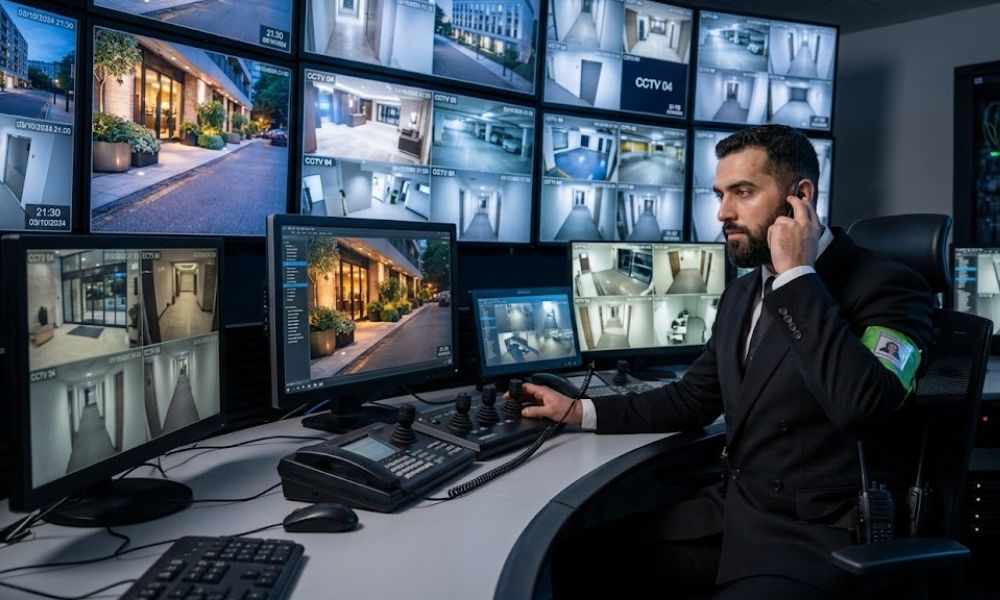
In today’s modern age, where businesses and individuals rely heavily on technology and online platforms, site security has become more critical than ever. Cyberattacks and physical breaches can have devastating consequences, leading to data breaches, financial losses, and damage to reputation. To mitigate these risks, organisations must prioritise site security risk assessments. Security breaches, whether in cyberattacks or physical intrusions, can have far-reaching results for individuals, organisations, and even entire nations. To effectively protect against these threats, it is crucial to understand the vulnerabilities within a given environment and implement comprehensive security measures. This is where the concept of Site Security Risk Assessment comes into play.  What is A Site Security Risk Assessment?  A Site Security Risk Assessment is a systematic and in-depth evaluation of the security vulnerabilities and threats in a specific location, such as a corporate office, manufacturing facility, data centre, hotel, or construction site. This process involves identifying potential risks, evaluating their potential impact, and devising strategies to mitigate or manage them effectively. While the concept of risk assessment has been employed for centuries in various forms, its adaptation to modern security is vital for safeguarding people, assets, and information.  Key Aspects of Site Security Risk Assessment In this era of technological advancement, where cyberattacks have become increasingly sophisticated and physical security risks continue to evolve, the need for a well-structured Site Security Risk Assessment cannot be underestimated. It is the foundation upon which robust security strategies are built, allowing organisations to stay one step ahead of potential threats and vulnerabilities. The following are the critical aspects of Security Risk Assessment:  The Evolving Nature of Threats: With the proliferation of technology and interconnected systems, threats have become multifaceted. Cybercriminals exploit digital vulnerabilities, while physical intrusions can compromise sensitive information. Understanding security and risk management is crucial for a practical risk assessment.  Asset Protection: Organisations invest heavily in their physical assets, intellectual property, and data. A Site Security Risk Assessment is instrumental in identifying weaknesses in the security infrastructure that could lead to theft, damage, or loss of these invaluable assets. Compliance and Regulations: Many industries are subject to stringent security regulations and compliance requirements. Failure to conduct adequate risk assessments can result in legal and financial repercussions. Comprehensive security and risk management help organisations ensure they meet these obligations.  Resource Allocation: Resources for security measures are often finite. A well-conducted risk assessment assists in prioritising where these resources should be allocated for maximum impact, ensuring a cost-effective approach to security.  Crisis Preparedness: Knowing the potential risks and vulnerabilities allows organisations to create security and risk management plans and response strategies. This excellent approach can significantly lessen the impact of security incidents.  The Importance of Site Security Risk Assessment This process involves identifying, analysing, and prioritising risks to develop effective security measures and protocols. It encompasses various considerations, including physical security, access control, and emergency response plans.  Identifying Vulnerabilities: One of the primary benefits of conducting an information security risk assessment is the identification of vulnerabilities. By thoroughly analysing your organisation’s operations, systems, and physical premises, you can pinpoint areas susceptible to threats. This includes inadequate access controls, or physical security gaps that malicious actors might exploit.  Prioritising Risks: Not all risks are created equal, and resources are limited. This assessment helps organisations prioritise risks based on their potential impact and likelihood. By categorising risks, you can allocate resources more effectively to address and overcome the most critical vulnerabilities first, reducing the overall exposure to security threats.  Preventing Unauthorised Access: Physical security is equally important, especially for organisations with physical premises, data centres, or critical infrastructure. A security risk assessment helps evaluate access control measures, surveillance systems, and perimeter security. By strengthening physical security, you can prevent unauthorised access and protect sensitive assets.  Reputation Management: A security breach, whether data or physical, can tarnish an organisation’s reputation. Customers and stakeholders expect their information to be safeguarded, and a breach can erode trust. A site security risk assessment helps you implement robust security measures, demonstrating your commitment to protecting sensitive data and assets.  Cost Savings: While investing in security measures may seem costly upfront, it can lead to significant cost savings in the long run. By proactively addressing security risks, you can reduce the likelihood of costly security incidents, legal liabilities, and the associated cleanup expenses.  Conclusion In an increasingly interconnected and digital world, site security risk assessments are not optional but essential for any security company. They are a proactive approach to safeguarding your organisation’s physical assets, ensuring business continuity, and preserving your reputation. By identifying vulnerabilities, prioritising risks, and implementing effective security measures, you can stay one step forward of potential threats and protect what matters most. Security is an ongoing process, and regular assessments are crucial to maintaining a strong defence against evolving risks. Get in touch with us to strengthen your security today.

Should Your Area Be Investing in Residential Security Service?

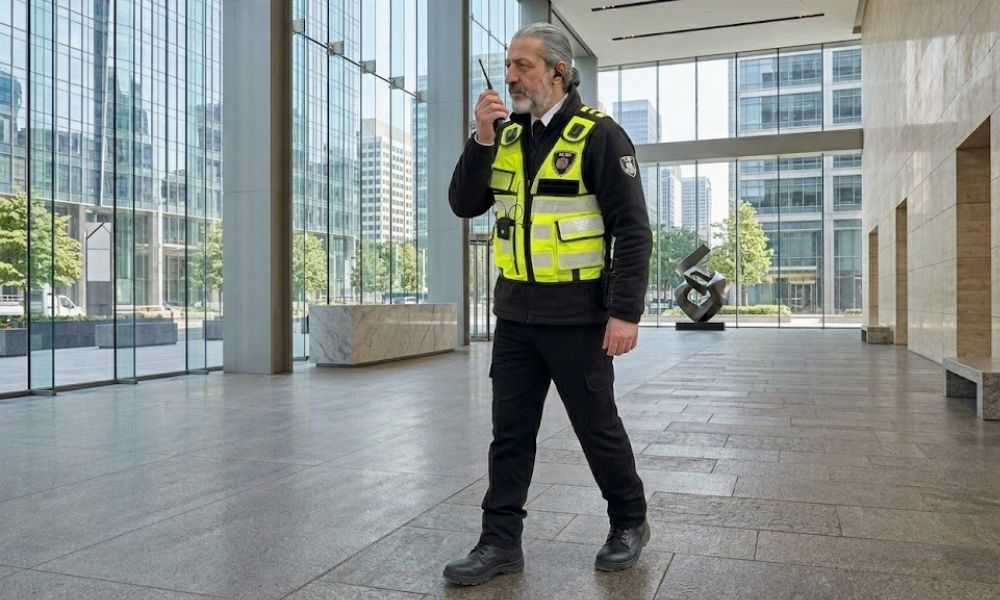
In recent years, the need for residential security services has become increasingly apparent. With rising concerns about property crime, vandalism, and personal safety, many communities are looking for ways to enhance security measures. One avenue that’s gaining traction is investing in residential security services provided by companies like G3 Security Services in the UK. But is it worth it for your area? Let’s delve into the key factors to consider. 1. Local Crime Rates Start by assessing the crime rates in your area. Is there a noticeable uptick in burglaries or vandalism? Are residents expressing concerns about safety? High crime rates often necessitate proactive security measures to deter criminals and protect property. Engage with local law enforcement to get detailed crime statistics and identify hotspots. Regular community meetings can also provide insights into residents’ concerns and help formulate a collective security strategy. 2. Neighbourhood Demographics Consider the demographics of your neighbourhood. Are there many families, elderly residents, or high-net-worth individuals? Certain demographics may be more vulnerable to security threats and could benefit greatly from residential security services. Understanding the specific needs of these groups can help in tailoring security solutions effectively. Additionally, engaging with local community groups can provide valuable feedback on the unique security challenges they face. 3. Property Values The value of properties in your area is another important factor. High-value homes and commercial properties are often targeted by criminals. Investing in residential security services can help safeguard these assets and maintain property values. Insurance companies may also offer discounts for properties with robust security measures in place, further emphasising the value of such investments. Regular property assessments can highlight areas where additional security measures may be beneficial. 4. Community Engagement Evaluate the level of community engagement and support for security initiatives. Are residents willing to invest in their safety? Collaborating with neighbours and local authorities can strengthen security efforts and create a safer environment for everyone. Community watch programs can be a great way to increase vigilance and foster a sense of collective responsibility. Hosting security workshops can also educate residents on best practices and preventive measures. 5. Security Solutions Offered Explore the range of security solutions offered by companies like G3 Security Services. From manned guarding and mobile patrols, there are various options to suit different security needs and budgets. Consider the scalability of these solutions to ensure they can grow with your community’s needs. It’s also important to review case studies or client testimonials to gauge the effectiveness of these services. 6. Customization Options Look for a security provider that offers customization options tailored to your area’s specific requirements. A one-size-fits-all approach may not be effective in addressing unique security challenges. G3 Security Services prides itself on delivering bespoke security solutions tailored to each client’s needs. Regular consultations with the security provider can help fine-tune these solutions over time. Additionally, flexibility in contract terms can make it easier to adjust services as needs evolve. 7. Cost-Benefit Analysis Conduct a cost-benefit analysis to determine the financial feasibility of investing in residential security services. While upfront costs may seem daunting, consider the potential savings in terms of property damage, theft prevention, and peace of mind for residents. Long-term contracts might offer cost savings and additional benefits. Additionally, consider potential increases in property values and insurance savings as part of the overall financial assessment. 8. Legal and Regulatory Compliance Verify that the security provider complies with all relevant laws and regulations governing the security industry. Working with a licensed and accredited company like G3 Security Services ensures accountability and adherence to industry standards. Regular audits and compliance checks can safeguard against legal issues. Understanding local regulations can also help in implementing security measures that are both effective and lawful. 9. Long-Term Security Planning Lastly, think about your long-term security planning goals. Residential security services should be viewed as a proactive investment in the safety and well-being of your community. Look for a provider that offers ongoing support and monitoring to adapt to evolving security threats. Developing a security roadmap can help in planning for future needs and contingencies. Regular reviews and updates to the security plan can ensure it remains relevant and effective. Our Home Security Options Mobile Patrol Security:  Mobile patrols offer a flexible and visible security presence. Trained security professionals patrol designated areas on foot or by vehicle, deterring criminal activity and responding swiftly to any security breaches. On-Site Security Guard:  On-site security guards provide a physical presence and immediate response capability. They can monitor access points, conduct regular patrols, and intervene in security incidents to ensure the safety of residents and properties. The Benefits of Residential Security Investing in residential security services offers numerous benefits: Crime Deterrence: Visible security measures deter criminals and reduce the likelihood of break-ins, thefts, and vandalism. Peace of Mind: Knowing that your property is protected by professional security personnel provides peace of mind for residents and property owners. Quick Response: Security guards can respond rapidly to security breaches, minimising damage and ensuring the safety of residents. Customised Solutions: Residential security services can be tailored to address specific security concerns and requirements, ensuring effective protection for each property. Community Safety: Enhanced security measures contribute to a safer environment for the entire community, fostering a sense of security and well-being among residents. Residential Security – Let G3 Security Help At G3 Security Services, we understand the importance of residential security in today’s ever-changing landscape. Our team of highly trained security professionals is dedicated to protecting homes, communities, and businesses across the UK. With a range of customizable security solutions, advanced technology, and unparalleled expertise, we can help safeguard your area against security threats. Contact us today to learn more about our residential security services and take the first step towards a safer tomorrow. Final Words In conclusion, investing in residential security services is a proactive step towards enhancing safety and security in your area. By considering key factors such as local crime rates, demographics, and community engagement, you can determine the

What is The Role Of Security in An Event?

Introduction When attending an event, whether it’s a music concert, sports game, or festival, we expect to have a memorable experience filled with joy, excitement, and entertainment. However, behind the scenes, a crucial element works tirelessly to ensure our safety and well-being throughout the event. That element is security. In this article, we will explore the vital role of security in events and the measures taken to ensure a secure environment for attendees. Importance of Security in Events The primary purpose of event security is to guarantee the safety and well-being of everyone present. Events gather a large number of people in a confined space, making it essential to have measures in place to handle potential risks and emergencies effectively. Let’s delve into the key aspects highlighting the importance of security in events. Ensuring Safety and Well-Being: The foremost responsibility of event security is to create a safe environment for attendees. Security personnel are trained to identify potential threats, respond swiftly to emergencies, and provide assistance when needed. By implementing comprehensive security protocols, they can prevent incidents such as fights, stampedes, or any form of violence that may jeopardise the safety of the attendees. Managing Crowd Control: Events often attract large crowds, and effective crowd control is crucial to maintain order and prevent chaos. Security personnel are trained in crowd management techniques to ensure a smooth flow of people, reduce congestion, and prevent overcrowding in sensitive areas. By managing crowd control efficiently, they can minimise the risks associated with large gatherings and maintain a comfortable environment for everyone. Preventing Unauthorised Access: One of the critical roles of event security is to prevent unauthorised access to restricted areas or the event premises. By enforcing access control measures, security personnel can ensure that only authorised individuals, such as staff, performers, and accredited personnel, are granted entry to specific areas. This helps maintain the integrity of the event and safeguards the privacy and safety of attendees. Hiring Professional Security Services: To effectively address security concerns, event organisers often rely on professional security services. These security firms specialise in providing trained personnel and expertise to handle various security challenges that may arise during an event. Qualifications and Training: Security personnel hired for events undergo rigorous training programs to equip them with the necessary skills and knowledge. They are trained in crowd management, conflict resolution, first aid, emergency response, and other essential areas. By ensuring that security personnel are well-qualified and trained, event organisers can maintain a high standard of security. Assessing Risks and Implementing Safety Measures: Professional security services conduct thorough risk assessments prior to the event. They identify potential security threats, vulnerabilities, and risks associated with the venue, the type of event, and the expected crowd. Based on these assessments, they develop and implement appropriate safety measures, such as the placement of security checkpoints, emergency exits, and evacuation plans. Crowd Management Strategies: A key responsibility of event security is managing crowds effectively. This includes directing foot traffic, regulating entry and exit points, and monitoring audience behaviour. Trained security personnel strategically position themselves to observe the crowd, identify potential risks or disturbances, and take preventive measures to maintain order and ensure the safety of attendees. Collaboration with Local Authorities: To enhance event security, collaboration with local authorities, such as law enforcement agencies, is vital. Close coordination with the police or other relevant agencies allows for a comprehensive approach to security planning and execution. Coordination with Law Enforcement Agencies: Event security teams work closely with law enforcement agencies to ensure a seamless flow of information and resources. They provide necessary details about the event, share intelligence on potential security threats, and collaborate on emergency response planning. This collaboration helps create a unified security effort and enhances the overall effectiveness of security measures. Emergency Response Planning: In collaboration with local authorities, event security personnel develop comprehensive emergency response plans. These plans outline procedures to be followed in the event of emergencies such as fires, medical incidents, or natural disasters. By having well-defined emergency response plans in place, security teams can effectively handle crises and mitigate risks to attendees. Advanced Security Technologies: In addition to trained personnel, the use of advanced security technologies has become increasingly prevalent in event security. Surveillance Systems and CCTV: Closed-circuit television (CCTV) systems are commonly used to monitor key areas of the event venue. Surveillance cameras help security personnel detect suspicious activities, respond quickly to incidents, and provide valuable evidence for investigations if needed. Access Control Systems: Access control systems, such as ID verification, electronic ticketing, or wristbands, help regulate entry to the event and prevent unauthorised access. These systems enable security personnel to verify the identity and credentials of individuals seeking entry, enhancing the overall security of the event. Metal Detectors and Baggage Screening: To ensure the safety of attendees, event organisers may implement metal detectors and baggage screening procedures. These security measures help detect prohibited items, such as weapons or dangerous objects, and prevent them from being brought into the event venue. Event Security Personnel Roles and Responsibilities Event security involves a diverse range of roles and responsibilities, each contributing to the overall safety and success of the event. Event Security Manager: The event security manager oversees the entire security operation. They are responsible for developing security plans, coordinating with stakeholders, managing security teams, and ensuring the smooth execution of security protocols. Security Guards: Security guards are the frontline personnel responsible for maintaining security and order during the event. They patrol the premises, monitor crowd behaviour, and respond to any security incidents that may arise. First Aid and Emergency Response Team: A dedicated first aid and emergency response team is an essential component of event security. Trained medical professionals are available to provide immediate medical assistance to attendees in case of injuries or medical emergencies. Conclusion Event security plays a vital role in ensuring the safety, well-being, and enjoyment of attendees. Through the use of trained personnel, advanced technologies, and effective communication, security teams create secure environments that allow

Why UHNWI Protection Requires a Bespoke Approach: Key Considerations

In today’s world, the need for specialized security has never been more critical, especially for Ultra High Net Worth Individuals (UHNWIs). These individuals, who possess a net worth of over $30 million, are often exposed to a unique set of risks that cannot be mitigated using conventional security measures. At G3 Security Services, we understand that UHNWI protection demands a bespoke approach, one that’s tailored to the individual’s lifestyle, risk profile, and personal preferences. In this blog, we explore why customised security solutions are vital for UHNWIs, the key considerations involved, and how our expert security guard services in the UK are designed to meet these complex demands. Understanding the Security Needs of UHNWIs Ultra High Net Worth Individuals (UHNWIs) often hold diverse assets across global investments, luxury properties, and high-value businesses. This exclusive group includes successful entrepreneurs, celebrities, political figures, and royalty. Their wealth and public visibility make them prime targets for threats like kidnapping, cyberattacks, home invasions, and reputational damage. Even trusted insiders can pose serious risks. Given these complex challenges, UHNWIs require a customised and adaptive security strategy that aligns with their unique lifestyle. Why a Bespoke Security Approach is Essential for UHNWIs 1. Personalised Threat Landscape The security risks facing UHNWIs are never one-size-fits-all. From kidnapping threats to cyberattacks and stalking, each individual has a unique risk profile based on their wealth, visibility, and routine. A bespoke security strategy allows for a thorough threat assessment that highlights specific vulnerabilities. This tailored approach ensures protection is proactive, not reactive, reducing the chances of threats materialising. 2. Lifestyle Integration UHNWIs often lead fast-paced, global lives filled with business meetings, luxury travel, and high profile social engagements. Traditional security measures can feel intrusive and disrupt this lifestyle. A customised security plan is built to blend effortlessly into their routine offering seamless protection at all times. Whether at home, abroad, or attending a private event, security remains discreet and effective. 3. Privacy and Discretion For UHNWIs, privacy is paramount. Public exposure can lead to security risks and media scrutiny, which is why protection must be discreet at every level. Operatives are trained to remain low-profile while maintaining high alertness. At G3 Security Services, our staff work under strict confidentiality agreements, ensuring that clients’ personal lives and movements remain completely secure and private. 4. Advanced Technology Integration Bespoke UHNWI protection doesn’t rely solely on physical guards it includes smart security technology. High-end surveillance systems, biometric access control, encrypted communications, and real-time GPS tracking are now essentials. Digital threats such as identity theft and hacking are addressed through advanced cybersecurity protocols. This integration of physical and digital security ensures all aspects of a client’s life are protected. 5. Family and Staff Security UHNWIs are surrounded by close family members and staff who may also become targets or unintentionally compromise safety. A bespoke plan takes this into account, extending protection to spouses, children, and domestic staff. This involves thorough background checks, security training, and supervised access protocols. With everyone in their circle safeguarded, the client’s overall risk profile is greatly reduced. 6. Crisis Management and Emergency Planning No matter how strong a security system is, emergencies can still occur. What sets bespoke security apart is detailed contingency planning. From evacuation routes to medical emergencies or ransom scenarios, every possible situation is anticipated. Drills and rehearsals ensure everyone involved knows their role during a crisis. This level of preparedness helps clients feel confident even during uncertain situations. 7. Multi-Location Coordination Many UHNWIs divide their time between multiple residences across the UK or globally. Each of these properties requires consistent, high-level protection. A bespoke approach ensures synchronised protocols, shared intelligence, and seamless handovers between teams. Whether the client is in London, Paris, or Dubai, they receive the same level of discreet and effective protection across all locations. Key Considerations for Effective UHNWI Security 1. Close Protection Officers (CPOs) Close Protection Officers play a central role in personal UHNWI security. These individuals are specially trained in risk detection, secure transportation, conflict management, and first aid. They must also build trust with clients and be compatible in terms of language, behaviour, and discretion. A skilled CPO does more than provide safety they offer reassurance, confidence, and peace of mind. 2. Residential Security Teams (RSTs) Securing a luxury estate is about more than installing CCTV it requires trained personnel who can respond in real time. Residential Security Teams are responsible for managing access points, conducting perimeter patrols, and monitoring live threats. These professionals work 24/7 to ensure that the residence is a secure, private sanctuary. Their presence also deters unwanted attention or criminal intent. 3. Event and Travel Security Public appearances and international travel come with elevated risks for UHNWIs. A tailored security plan assesses venues, routes, and transportation logistics in advance. Security teams may deploy ahead of the client to secure locations, coordinate with local authorities, and ensure all protocols are in place. Whether it’s a red-carpet event or a discreet business meeting abroad, safety is never compromised. 4. Security Consultancy Expert guidance is key for long-term security success. Our consultancy services provide in-depth analysis of every aspect of a UHNWI’s life from cyber protection and estate security to insider threats and public exposure risks. We offer practical recommendations backed by intelligence and experience. With a solid consultancy foundation, all security efforts become more focused, strategic, and scalable. Why Choose G3 Security Services for UHNWI Protection? With years of experience in private security services across the UK, G3 Security Services is the trusted name in UHNWI protection. Our reputation is built on: Tailored security plans: No two clients are the same, and neither are our protection strategies. Elite personnel: We employ highly skilled professionals with military and specialist protection backgrounds. Advanced technology: We integrate the latest in smart surveillance and secure communication. Discretion and trust: Confidentiality is at the heart of everything we do. Final Thoughts UHNWI protection is not a one-size-fits-all solution. It requires a bespoke approach rooted in personalised risk assessment, comprehensive planning, and

10 Practical Warehouse Security Tips for Business Owners

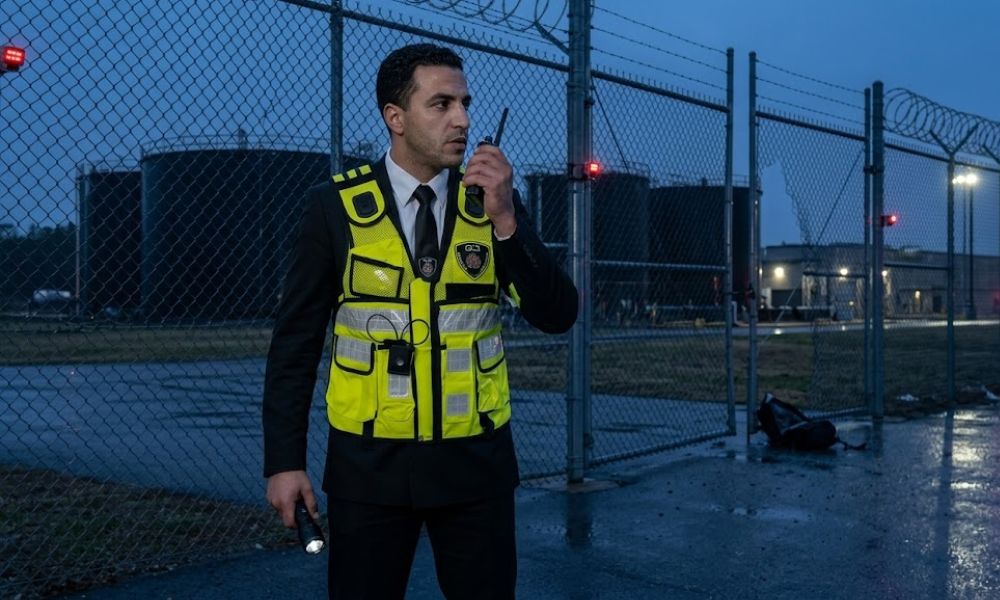
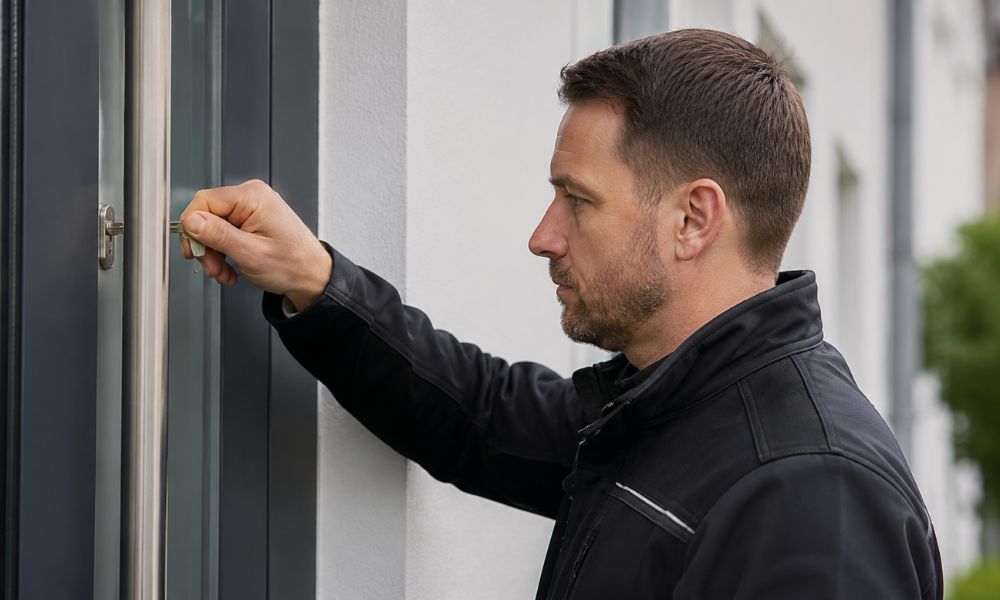
Introduction Warehouses are vital assets for many businesses. They store valuable stock, manage supply chains, and play a central role in business operations. But because of their size, remote locations, and high-value inventory, warehouses are often targeted by thieves and vulnerable to internal and external security breaches. Implementing robust security measures is no longer a luxury, it’s a necessity. Whether you own a small storage facility or operate a large-scale logistics hub, keeping your warehouse secure is essential. In this blog, we’ll explore the importance of warehouse security, common challenges businesses face, and 10 practical tips to improve your warehouse security. We’ll also show you how partnering with G3 Security Services can strengthen your warehouse protection strategy. Why is Warehouse Security Important? Warehouse security is critical for protecting inventory, staff, and the overall supply chain. Any breach in security can lead to theft, property damage, financial loss, and disruption of operations. Even a small incident can damage customer trust and business reputation, especially if it leads to delayed deliveries or lost products. Warehouses often store high-value items or equipment, making them prime targets for organised crime. Having effective security in place not only deters potential criminals but also enhances employee confidence, ensures regulatory compliance, and supports efficient operations. Investing in warehouse security is an investment in business continuity, customer satisfaction, and long-term profitability. What Are Some Common Warehouse Security Challenges and Threats? Warehouse owners face a wide range of security threats, both internal and external. Understanding these risks is the first step in preventing them: Theft and Burglary: Both internal and external theft remain the most common risks. Employees may steal products, or criminals may attempt to break in during off-hours. Unmonitored Access: Allowing unauthorised personnel into sensitive areas can result in serious security breaches. Vandalism: Warehouses located in industrial or remote areas are often targeted by vandals. Fire Hazards: Poor storage practices, faulty wiring, and lack of fire detection systems can lead to dangerous fire outbreaks. Data Theft: In tech-driven warehouses, digital threats like hacking and data breaches are also concerns. Lack of Security Personnel: Many businesses try to cut costs by reducing physical security presence, leaving their premises vulnerable. Blind Spots in Surveillance: Incomplete CCTV coverage creates opportunities for unnoticed criminal activity. Weak Inventory Control: Disorganised stock tracking can make it easier for items to go missing without detection. To mitigate these challenges, a multi-layered approach to security is crucial. 10 Simple Yet Effective Warehouse Security Tips Warehouses are high-value targets for theft, vandalism, and unauthorised access, making security a top priority for any facility manager. Implementing the right measures can protect your inventory, staff, and property from potential threats. From surveillance systems to staff training, small improvements can create a strong security framework. Here are 10 simple yet effective warehouse security tips to help you safeguard your operations and reduce vulnerabilities. 1. Conduct Regular Security Assessments Regular security audits are essential for identifying weaknesses in your warehouse’s protection. These inspections help you evaluate existing systems and uncover gaps, outdated equipment, or vulnerable access points. By acting on the findings, you can implement more robust policies, improve physical barriers, and reduce overall risk. Scheduled assessments also ensure your security strategy evolves with emerging threats. Staying proactive keeps your facility one step ahead of potential incidents. 2. Install Comprehensive CCTV Surveillance A well-placed CCTV system acts as both a deterrent and a monitoring tool. Install high-definition cameras at critical points like entrances, exits, loading docks, and storage zones to capture clear footage. Ensure these cameras are visible to discourage trespassers and are connected to a central monitoring system for real-time alerts. Modern CCTV setups can include motion detection and night vision for 24/7 visibility. Proper surveillance drastically reduces the chances of unnoticed intrusions or internal theft. 3. Hire Professional Security Guards Having trained, licensed security guards on-site greatly improves your warehouse’s security posture. Their physical presence alone can discourage theft, vandalism, or unauthorised access. Guards can also monitor deliveries, control visitor entry, check credentials, and assist in emergency situations. Professional officers are trained to detect suspicious activity and respond appropriately. Their role goes beyond patrol, they become an essential part of your warehouse’s daily operations and safety. 4. Use Access Control Systems Installing access control systems ensures that only authorised personnel can enter specific areas of your warehouse. Whether using keycards, biometric scanners, or digital PIN pads, these systems track who enters and exits each zone. You can assign different clearance levels depending on job roles, adding an extra layer of protection to sensitive sections. This also helps in maintaining detailed entry logs for audits. Strong access control reduces internal risks and supports compliance with safety standards. 5. Secure All Entry Points Every entry point doors, windows, loading bays, emergency exits should be thoroughly secured to prevent unauthorised access. Reinforce these with tamper-proof locks, deadbolts, and sensors linked to your alarm system. Often-overlooked areas like skylights, roof hatches, or fencing gaps can be exploited by intruders, so don’t neglect them. Conduct regular inspections to identify damage or signs of forced entry. Strengthening these access points can significantly lower break-in risks. 6. Enhance Perimeter Security The exterior of your warehouse is your first line of defense. Install strong, anti-climb fences with controlled gates to restrict unauthorised entry. Add motion-sensor lighting to illuminate blind spots and enhance visibility at night, which also improves camera footage quality. Consider using bollards or barriers to protect against vehicle-ramming attacks. A well-secured perimeter discourages intruders and sets a clear boundary around your property. 7. Monitor Deliveries and Shipments Tight control over delivery and shipment processes reduces the risk of theft and misplaced goods. Have security staff supervise all loading and unloading activities and require proper documentation at every step. Use checklists and digital tracking systems to verify quantities and monitor schedules. Suspicious behavior or inconsistencies should be logged and investigated promptly. This level of supervision promotes transparency and deters fraudulent activities. 8. Install and Monitor Alarm Systems Modern alarm systems go beyond detecting break-ins—they

What are The Responsibilities of a Security Concierge?

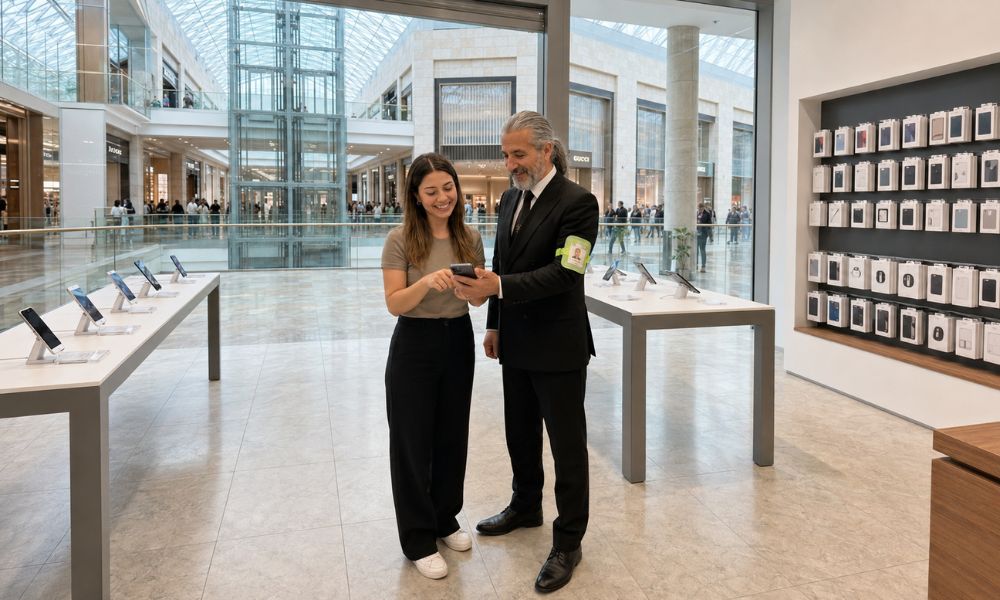
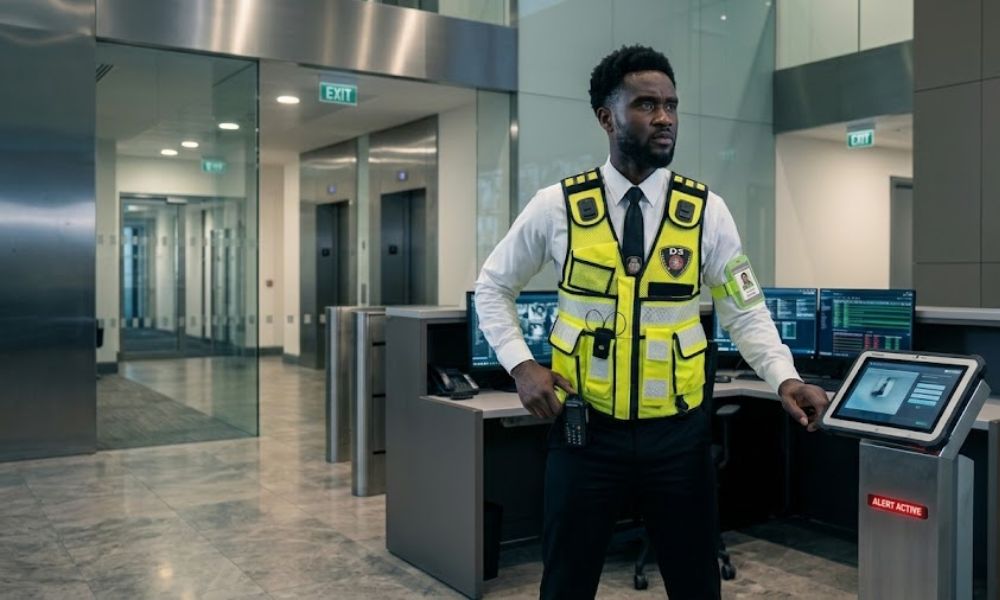
In the modern world, security is of utmost importance, especially in public places and residential buildings. One way to ensure safety is by hiring a security concierge. But the main concern is people want to know What Is A Security Concierge? How they perform security duties, and how they can support you in maintaining a proper security system at your workplace.  Concierge Security is one of the fastest-growing security services and consists of a team of dedicated concierge security specialists who are ready to provide fully customizable concierge services. A security concierge is a fantastic perk to add to your property or office if you’re a property manager or business owner. Alongside their front desk security services, these adaptable security professionals are equally comfortable providing a warm welcome, handling packages, and even enforcing your safety and security policies. What is a Concierge Service? A concierge service is a personal assistant that assists individuals in managing their daily tasks. It is a luxury service in high-end hotels, residential buildings, and corporate offices. The concierge is responsible for providing services that enhance the guests’ experience, such as making reservations, arranging transportation, and recommending entertainment options. But people need to be made aware of What Does A Concierge do. The simple answer to this question is that  The Concierge professionals act as a front-of-house visible presence that perfectly balances welcome and security.  What is a Security Concierge? A security concierge is a unique security professional who can quickly revolve between a hospitality and security mindset. Alongside a welcoming presence for staff, clients, and residents alike, they have access to your building, offer front-line support, and respond to any query with a smile. They are also trained to provide first aid assistance, uphold your building policies and act as fire heroes in the event of an evacuation scenario.  People still need to learn what is A Security Concierge? The answer to this simple question is that a security concierge is responsible for maintaining security and safety in a building or establishment. The security concierge is the first point of contact for visitors and residents and is responsible for ensuring everyone is safe and secure. What Does a Security Concierge Do? People are concerned about the role of the Security Concierge, and they are interested in knowing What Does A Security Concierge Do. The primary responsibility of a security concierge is to ensure the safety and security of the building and its occupants. They are responsible for monitoring the entrance and exit points, identifying potential security threats, and taking appropriate action to prevent them. They welcome the guests, customers, and staff of the business setup with a smile and monitor the security within the working place. The security concierge is also responsible for monitoring the building’s security cameras and alarms. They must always be vigilant to detect any unusual activity and take immediate action. They are also responsible for ensuring that all security equipment is in good working condition. The awareness of What Is A Security Concierge is increasing day by day in people, and they want to hire these professionals. Responsibilities of Security Concierge Concierge security guards are the first point of contact for residents, guests, and staff. They act as your frontline defence against unauthorised intruders, and their comprehensive training even allows them to perform fire marshal’s duties in an emergency. Monitor The Building’s Security Cameras and Alarms: One of the primary responsibilities of a security concierge is to monitor the building’s security cameras and alarms. They must be alert at all times to detect any unusual activity and take immediate action if necessary. They are also responsible for ensuring that all security equipment is in good working condition. What Does A Security Concierge Do in Case of an Emergency? In the rare and unfortunate event of a fire or emergency, a highly trained concierge security guard is prepared to have valuable skills like CPR, occupational first aid training, and outstanding communication skills. They understand how to start an emergency response calmly while forming a brief liaison with firefighters, ambulances, and police. Control Access to The Building: The security concierge is responsible for controlling access to the building. They must screen visitors and ensure only authorised individuals can enter the business site. Security Concierges are also responsible for issuing security passes and ensuring they are returned when no longer needed. They have complete access to the building in which they are working. In modern times when security is the first concern, people must know What is A Security Concierge. Provide Excellent Customer Service: For the development and progress of your business, you must provide excellent service to your client and customers. This is key to a successful business. For this purpose, you must know What Does A Security Concierge Do to provide you with benefits related to customer service. These professionals are responsible for greeting visitors, answering questions, providing directions, and assisting with various tasks. They must be polite, courteous, and professional at all times. The services provided by the security concierge impress the clients, and they love to work with you for the long term. Mail and Package Handling: Daily, many mail and packages arrive at working places and offices. Instead of taking busy staff away from their essential duties to handle their chores, concierge security staff are ready to help you. These professionals will ensure all mail and packages are safely directed to the rightful recipients, meaning one less thing to worry about for property managers and office managers. Maintain The Workplace’s Cleanliness: If you are worried about the maintenance of your workplace, you will be happy to know What Does  A Security Concierge do to maintain your office. A security concierge may also be responsible for maintaining the building’s cleanliness. They may be required to perform routine inspections and report any maintenance issues to the appropriate personnel. Conclusion A security concierge plays a crucial role in maintaining the safety and security of a building or establishment. Their responsibilities range

The Impact of Shoplifting on Retailers and How to Reduce It

Shoplifting is a growing concern for retailers worldwide, leading to significant financial losses, increased operational costs, and a compromised shopping environment. In recent years, shoplifting incidents have surged, with organized retail crime and opportunistic theft becoming more prevalent. As a security guard services provider, G3 Security Services understands the critical need for effective loss prevention strategies to safeguard businesses from these threats. This article explores the impact of shoplifting on retailers and provides actionable solutions to reduce it. The Financial Impact of Shoplifting Shoplifting directly affects a retailer’s bottom line. The National Retail Federation (NRF) reports that retail shrinkage, primarily driven by theft, results in billions of pounds in losses annually. In the UK, shoplifting costs retailers approximately £2.2 billion each year, with small businesses being disproportionately affected. Beyond the immediate loss of merchandise, shoplifting also leads to increased security expenses, higher insurance premiums, and potential legal costs. To offset these losses, many retailers raise product prices, ultimately affecting honest customers. Implementing robust security measures is essential to mitigate these financial repercussions. The Operational Impact of Shoplifting Aside from financial losses, shoplifting has a profound impact on store operations. Theft-related disruptions can lead to: Reduced employee morale due to an unsafe working environment. Increased staff workload as they monitor for suspicious behavior. Negative customer experiences due to heightened security checks. Inventory discrepancies, making stock management and planning difficult. Ensuring a secure retail environment helps maintain operational efficiency and fosters a positive shopping experience. Factors Contributing to Shoplifting Understanding why shoplifting occurs is crucial for preventing it. Some of the main factors include: Economic Hardship: Individuals experiencing financial struggles may turn to shoplifting as a last resort to obtain essential goods. Economic downturns, inflation, and unemployment rates significantly contribute to increased theft incidents. When individuals lack financial stability, desperation can lead to impulsive acts of shoplifting. Psychological Factors: Certain psychological conditions can drive individuals to steal, even when they have no financial need. Disorders such as kleptomania cause compulsive stealing, while impulse control disorders lead to rash decisions. Some shoplifters also engage in theft for the thrill, experiencing an adrenaline rush from the act itself. Peer Pressure and Social Influence: Shoplifting is often seen among teenagers and young adults influenced by their peers. Some individuals steal to fit in with a particular group, prove themselves, or rebel against authority. In some cases, shoplifting is viewed as a game or challenge, making it a social activity rather than a necessity-driven crime. Lack of Store Security: Retailers that fail to implement strong security measures become easy targets for shoplifters. Poorly monitored stores with blind spots, minimal staff presence, and outdated surveillance systems increase the risk of theft. When potential shoplifters perceive a lack of deterrents, they are more likely to attempt stealing without fear of consequences. Strategies to Reduce Shoplifting Retailers can implement multiple strategies to minimize theft and protect their businesses. One of the most effective solutions is hiring professional security guards who provide an active deterrent against shoplifting. Deploying Professional Security Guards: Security guards play a vital role in preventing shoplifting by ensuring continuous monitoring and rapid response to potential threats. Patrolling store premises helps deter shoplifters, while active surveillance through CCTV systems allows guards to identify suspicious activities in real time. In cases where theft occurs, trained security professionals can conduct bag checks and loss prevention procedures efficiently. Their ability to coordinate with law enforcement ensures that any criminal activities are dealt with swiftly and effectively. G3 Security Services provides experienced security guards trained in handling shoplifting incidents, offering retailers peace of mind and enhanced store security. Enhancing Store Layout and Visibility: A well-structured store layout is essential in reducing shoplifting risks. Organizing store aisles strategically eliminates blind spots, ensuring that all sections are easily visible to staff and security personnel. Placing high-value items near checkout counters or in areas with active surveillance discourages potential thieves from targeting expensive merchandise. Adequate lighting is also crucial, as dark corners and poorly lit areas provide opportunities for shoplifters to act unnoticed. By optimizing store visibility, retailers can make it more difficult for criminals to execute their theft attempts without being detected. Employee Training on Theft Prevention: Employees play a key role in shoplifting prevention, and providing them with proper training helps them identify and respond to theft attempts effectively. Staff members should be trained to recognize suspicious behaviors such as prolonged loitering, excessive bag handling, or nervous body language. Encouraging employees to engage with customers by offering assistance creates a customer-focused environment that deters shoplifters, as they prefer to act in isolation. Additionally, retailers should establish a clear protocol for reporting and managing theft incidents to ensure a coordinated response when shoplifting occurs. Deploying Surveillance Measures: Modern surveillance technology is a powerful tool in combating shoplifting. Installing high-definition CCTV cameras at store entry points, aisles, and checkout areas allows retailers to monitor activities and gather evidence in case of theft. Electronic Article Surveillance (EAS) tags attached to merchandise trigger alarms if stolen items pass through security checkpoints, reducing opportunities for shoplifters. AI-powered analytics further enhance security by detecting unusual shopping behaviors, allowing store personnel to take proactive measures before theft occurs. Implementing these technologies strengthens a store’s overall security infrastructure and significantly reduces shoplifting risks. Customer Engagement as a Deterrent: Creating a customer-friendly environment that prioritizes engagement helps reduce shoplifting incidents. Greeting customers upon entry establishes a sense of awareness, making it clear that store staff are attentive to visitors. Offering assistance not only enhances the shopping experience but also discourages potential shoplifters, who typically avoid interactions to minimize attention. Clearly displayed signage warning against shoplifting and highlighting store surveillance policies further reinforces the message that theft will not be tolerated. These simple yet effective strategies create an atmosphere where honest customers feel welcomed while potential thieves are deterred. Collaboration with Law Enforcement: Retailers can strengthen their theft prevention efforts by establishing strong partnerships with local law enforcement agencies. Quick response from authorities ensures that shoplifting incidents are handled promptly, preventing

Exploring 5 Essential Aspects of K9 Security Dogs

Introduction K9 security dogs, commonly referred to as police dogs or service dogs, are integral components of diverse security operations. These highly trained canines serve as invaluable assets to law enforcement agencies, private security firms, and other organisations in safeguarding public safety and enhancing security measures. In this comprehensive article, we will delve into six crucial facets of K9 security dogs, encompassing their multifaceted roles, appropriate breeds for specific tasks, rigorous training protocols, effective handling techniques, important legal considerations governing their deployment, and the myriad benefits they confer upon security operations. By thoroughly examining these fundamental aspects, we aim to provide a comprehensive understanding of the indispensable role played by K9 security dogs and the significant contributions they make to maintaining and reinforcing security frameworks. 1.The Role of K9 Security Dogs K9 security dogs serve a wide range of roles in security operations. They are trained to detect drugs, explosives, and firearms, making them valuable assets in preventing criminal activities. 2.Training and Skills Training plays a vital role in shaping a K9 security dog’s abilities and behaviour. Specialised training programs focus on obedience, scent detection, tracking, apprehension, and other essential skills. Professional trainers work closely with the dogs to ensure they respond appropriately to commands and can effectively carry out their assigned tasks. The training process involves positive reinforcement, consistency, and regular practice to reinforce desired behaviours. 3.Handling and Care Proper handling and care are crucial for maintaining the well-being and effectiveness of K9 security dogs. Handlers develop strong bonds with their canine partners through regular interaction and teamwork. They are responsible for the dog’s health, nutrition, exercise, and overall welfare. Regular veterinary check-ups, balanced diets, and ample exercise are essential for keeping these dogs in optimal condition. Adequate rest and downtime are also provided to prevent physical and mental fatigue. 4.Legal Considerations The use of K9 security dogs is subject to legal regulations and considerations. Handlers and organisations employing these dogs must comply with local laws pertaining to their training, certification, and deployment. Proper documentation and licensing are required to ensure the dogs are used lawfully and responsibly. It is important to adhere to legal guidelines to maintain the integrity of security operations and protect the rights of individuals. 5.Benefits of K9 Security Dogs The use of K9 security dogs offers numerous benefits in security operations. These dogs provide a powerful deterrent to potential criminals due to their presence and specialised training. K9 security dogs are also highly agile, allowing them to navigate challenging terrains and assist in search and rescue missions. Additionally, their loyalty, bravery, and ability to quickly assess situations contribute to enhancing overall security effectiveness. Conclusion K9 security dogs, an integral part of modern security operations, play a vital role in ensuring public safety and combating crime. Through their specialised training, suitable breeds, and the unwavering dedication of their handlers, these canines make significant contributions to the overall effectiveness of security companies. From their exceptional skills in detecting drugs and explosives to their invaluable assistance in search and rescue missions, K9 security dogs have proven to be indispensable assets. By understanding the essential aspects of these remarkable animals, we gain a deeper appreciation for their invaluable contributions to security efforts. If you’re looking for a reliable and trustworthy security company, don’t hesitate to contact us. We take pride in providing top-notch security solutions tailored to meet your specific needs. Whether you require K9 security dogs or on-site guards, our experienced team is dedicated to ensuring the safety and protection of your premises. With our extensive expertise and commitment to excellence, we are here to address your security concerns and provide you with peace of mind. Contact us today to discuss your requirements and discover how our security company can assist you in safeguarding what matters most.

What are The Duties of a Security Guard in An Embassy?

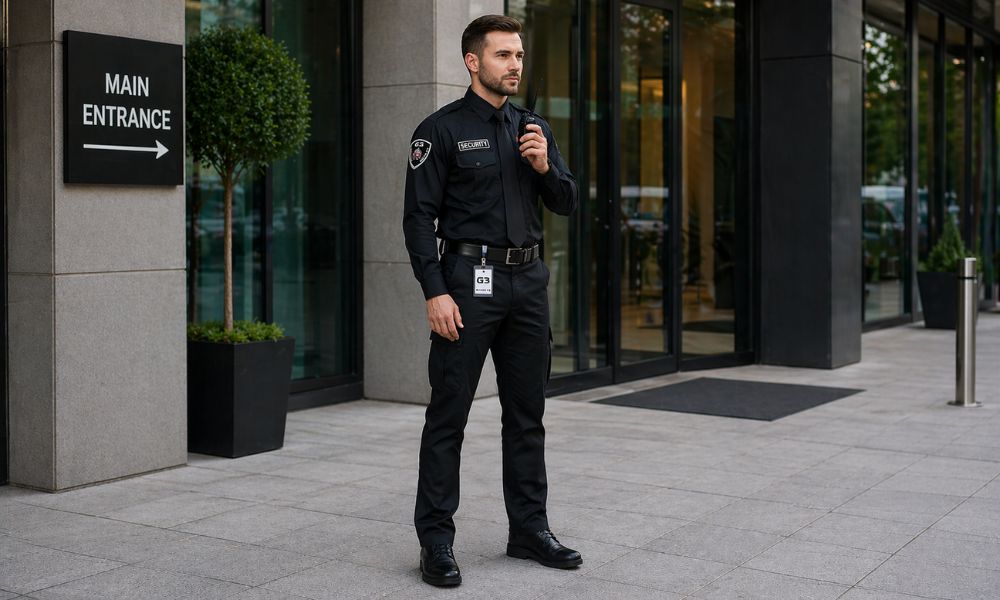
An embassy is often a busy place, full of visitors and workers entering or leaving all day long. Sometimes, this can attract unwanted attention from people who want to cause trouble. Since embassies and consulates around the world have occasionally faced attacks, it’s really important to have strong security measures in place to keep embassy buildings safe. Embassy security does not imply to only protect the buildings from untoward situations; it’s about making sure that the people who work there, from diplomats to staff, can do their jobs without fear of danger. It ensures that sensitive information stays safe and that diplomatic activities can go on smoothly. This security is a crucial part of maintaining the respect and trust that the embassy needs to operate effectively.  The embassy is a key place where the United Kingdom handles its affairs with other countries. In this blog, we will explore the vital role that security guards play at the embassy. These embassy security guards face many challenges and have important responsibilities to keep the embassy and everyone inside it safe. The Role of a Security Guard at An Embassy Embassy security guards are more than just watchful protectors; they are the first line of defence in a complex web of safety protocols designed to protect, prevent, and react. These professionals are integral to the embassy’s operations, ensuring that diplomatic activities can proceed without the threat of external disruptions. Let’s take a closer look at what UK embassy security guards do and why their job is so essential to the operational success. Main Duties and Responsibilities of Embassy Security Guard Embassy security guards are tasked with a comprehensive set of duties, each critical to the smooth and secure operation of the functions being performed inside the embassy. Here’s a closer look at these responsibilities: General Security and Patrols: Guards are responsible for the overall security of the embassy compound, associated residences, and affiliated areas. They regularly check patrol records to ensure that all security activities are thoroughly documented and anomalies addressed promptly. Event Management Security: In collaboration with the Protective Security Manager (PSM), security personnel handle all aspects of event security during receptions, dinners, and other official gatherings, ensuring that all events run smoothly and securely. VIP Visit Preparations: Security arrangements for VIP visits are a top priority at an embassy. Embassy security guards coordinate with the PSM and other security organisations to ensure that all preparations are flawless, and security measures are at the best for high-profile visitors. Mail and Parcel Screening: All incoming letters, parcels, and deliveries are scrutinised to prevent any potential threats from entering the embassy, safeguarding against espionage or physical threats. Routine Security Checks: UK embassy security guards conduct regular clocking rounds, this makes sure that the guards are vigilant in monitoring the embassy premises around the clock. Search and Screening: Thorough searches of vehicles and visitors are standard procedure, reinforcing the embassy’s no-compromise stance on security. CCTV Monitoring: Continuous monitoring of CCTV feeds plays a vital role in the overarching surveillance strategy, helping identify and mitigate potential threats before they materialise. Access Control: Embassy security guards manage who comes in and out of the embassy, to ensure that only authorised individuals gain entry to sensitive areas, maintaining a secure environment. Physical Security Enforcement: The physical presence of guards around the embassy serves as a deterrent to unauthorised access and potential security breaches, ensuring a formidable barrier against threats. The Importance of Embassy Security Guards in Diplomatic Missions Embassy security guards do a lot more than just protect the building and the things inside it; they play a key role in making sure diplomatic missions run safely and smoothly. Their work helps keep everything at the embassy stable and functioning well, which is crucial for the embassy to do its job right. Moreover, having strong security helps to show that the embassy is serious and capable, improving its security image on the global stage. Security guards need a wide range of skills to do their job effectively. They must be constantly alert and able to spot any signs of danger quickly. They also need to be smart about recognizing different kinds of threats and knowing the best way to handle them. This requires both physical strength and mental sharpness. Their professionalism and commitment to their duty keeps the embassy protected, ensuring that everyone, from staff to visitors, are in a safe and secure place. Because their role is so sensitive, it’s important that they are well-trained and equipped to deal with any situation that might come up. They are often the first to respond to emergencies, which means they need to be prepared for anything and everything at all times. This makes them not just embassy security guards but essential members of the embassy team, ensuring that diplomatic activities can proceed without interruption or harm. Keeping the Embassy Secure – What Effective Measures Can Be Put In Place? Having discussed the various duties of a security guard, let’s now explore some of the measures that can be put in place to keep embassy premises safe. These strategies are crucial for protecting both the physical infrastructure and the people within the embassy from potential threats: Advanced Surveillance Systems: High-quality cameras and other surveillance technologies are the top priority. They allow for the continuous monitoring of the embassy’s perimeter and internal areas, helping to quickly identify and respond to suspicious activities. Strict Access Controls: Implementing strict access controls ensures that only authorised personnel and thoroughly vetted visitors can enter the premises. Measures such as electronic badges, biometric scanners, and detailed visitor logs are essential. Regular Security Training: The security personnels at the embassy must be trained well to enhance their situational awareness skills. This could be done with regular training drills, including protocols for evacuations, managing suspicious packages, and reacting to different types of security threats. Collaboration with Local Law Enforcement: Establishing a strong relationship with local police and security agencies ensures additional support and rapid response capabilities in

Is Hotel Security Necessary?

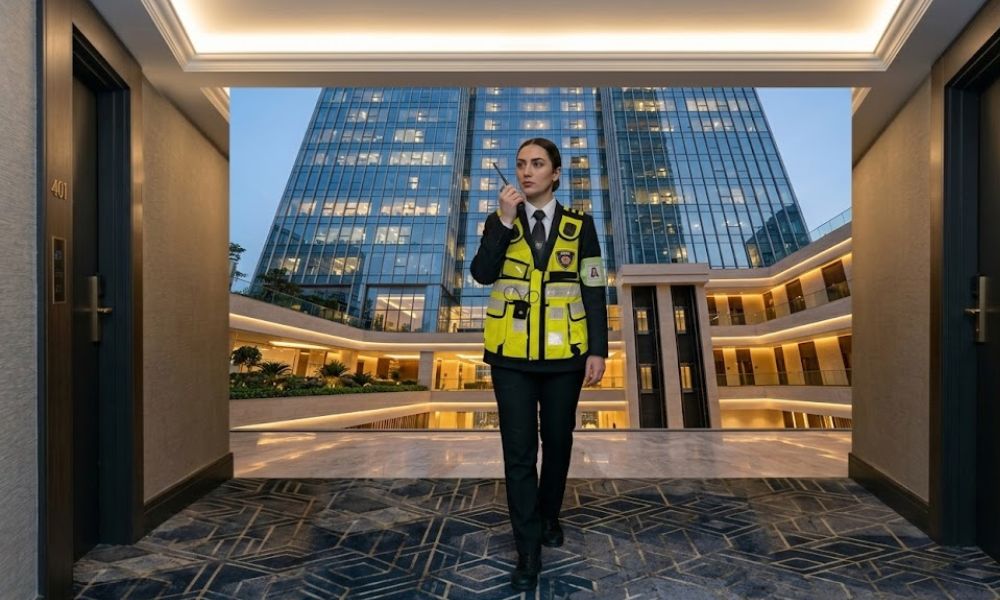
In an era where hospitality and tourism thrive, ensuring the safety and security of guests is paramount for hotels. Enter G3 Security Services, your trusted partner in safeguarding hotels and their patrons. With a proven track record of excellence, Our Security Services goes beyond conventional security measures, providing a seamless blend of cutting-edge technology and highly trained personnel. In this blog, we delve into the pivotal question: Is Hotel Security Necessary? Through a comprehensive exploration, we shed light on the various facets of hotel security and underscore why partnering with G3 Security Services is the key to a secure and thriving hospitality business. Whether it’s monitoring entrances and exits, preventing property damage, or responding swiftly to emergencies, G3 Security Services stands as the beacon of protection, ensuring hotels can focus on delivering an unparalleled guest experience. What is Hotel Security? Hotel security involves implementing measures to protect guests, staff, and property within the premises. It encompasses a range of services aimed at preventing and addressing potential threats, ensuring a safe and enjoyable environment for everyone. G3 Security Services specialises in tailoring security solutions that cater to the unique needs of the hotel industry. With a commitment to staying ahead of emerging security challenges, G3 Security Services employs a proactive approach, utilising the latest technology and industry best practices to ensure the highest level of protection. By partnering with G3, hotels can trust in a security provider that understands the evolving landscape of risks and is dedicated to delivering tailored, effective solutions. Why Safety And Security Are Important in The Hotel Industry Safety and security are the cornerstones of the hotel industry. Beyond offering comfort and luxury, hotels must prioritise the well-being of their guests. G3 Security Services understands the nuanced challenges faced by hotels and employs a proactive approach to maintain a secure atmosphere, fostering trust among guests. By seamlessly integrating advanced technology and highly trained personnel, G3 Security Services not only addresses current security concerns but anticipates future challenges, ensuring a comprehensive and enduring commitment to the safety of hotel guests. This foresighted approach establishes G3 as a reliable partner in safeguarding the hospitality experience. Monitoring Entrances and Exits Effective security begins at the entry points. G3 Security Services deploys trained personnel to monitor entrances and exits, controlling access and ensuring only authorised individuals enter the premises. This strategic measure is instrumental in preventing unauthorised access and enhancing overall security.  Preventing Property Damage Hotels invest significantly in their infrastructure and aesthetics. G3 Security Services recognizes the value of these assets and works diligently to prevent property damage. Through vigilant monitoring and immediate response capabilities, the company minimises the risk of vandalism and other forms of property damage. Protecting Guests And Providing A Sense of Security The well-being of guests is of paramount importance. G3 Security Services goes beyond conventional security measures, focusing on creating a safe and welcoming environment. By doing so, the company not only safeguards guests but also contributes to the positive reputation of the hotel. Responding Quickly And Effectively To Emergencies In times of crisis, a swift and effective response can make all the difference. G3 Security Services is equipped to handle emergencies with precision and efficiency. From medical emergencies to security breaches, their trained personnel are adept at mitigating risks and ensuring the safety of everyone on the premises. Escorting Guests And Staff An often-overlooked aspect of hotel security is the safe escorting of guests and staff. G3 Security Services understands the importance of providing a secure environment not only within the premises but also in transit. Their personnel are trained to escort individuals safely, mitigating potential risks. What To Look For in Hotel Security Officers G3 Security Services prides itself on the quality of its security officers. When considering hotel security, it’s crucial to focus on certain key aspects: G3’s security personnel undergo rigorous background checks and continuous training to ensure they meet the highest industry standards. Their commitment to professionalism, coupled with excellent communication skills, allows them to seamlessly integrate into the hotel environment, offering a reassuring presence to guests. With a proactive mindset and a dedication to exceptional customer service, G3 Security Officers not only provide a secure atmosphere but also enhance the overall guest experience, setting the standard for excellence in hotel security. Customer Service: Exceptional customer service skills are vital for security officers in a hotel setting. G3 Security Services ensures its personnel not only prioritise security but also provide a positive and helpful guest experience. Licensing And Training: G3 Security Services adheres to the highest industry standards by employing licensed and extensively trained security personnel. Their team undergoes continuous training to stay abreast of the latest security protocols and technologies. Specialised Services: Recognizing that each hotel is unique, G3 Security Services offers specialised security services tailored to the specific needs and challenges of individual establishments. This ensures a customised and effective security solution for every client. Contact G3 Security Company for Hotel Security For hotels seeking a reliable partner in ensuring safety and security, G3 Security Services is the go-to solution. With a track record of excellence and a commitment to delivering top-notch security services, G3 Security Services stands as the beacon of protection for the hospitality industry. Conclusion In the dynamic landscape of the hotel industry, security is not just a necessity; it is a strategic imperative. G3 Security Services understands the intricacies of hotel security and provides comprehensive solutions to address the evolving challenges. By prioritising safety, protecting assets, and fostering a sense of security among guests, G3 Security Services emerges as the ideal choice for hotels aiming to create a secure and welcoming environment. Trust G3 Security Services – where security meets excellence. With a commitment to continuous improvement, G3 remains at the forefront of industry advancements, ensuring hotels benefit from the latest in security technologies and protocols. By choosing G3, hotels invest in a long-term partnership dedicated to upholding the highest standards of safety and service excellence.